.png?width=2004&height=239&name=FlipSled%20Logo%20HRZ%20WHITE%20(1).png "FlipSled - Athletic Power Development")

Power defines athletic dominance. From the field to the front lines, the capacity to unleash rapid force separates the elite; for tactical athletes, this isn't just performance—it's survival. Whether you’re a football coach or a trainer for tactical professionals, our guide will explain what athletic power is, the importance of development, and offer tips for maximal performance.
What is Athletic Power?
Athletic power is the ability to exert total force in a short amount of time, combining strength and speed into a single explosive action. It is the foundation of movements like jumping, sprinting, tackling, and lifting, where both force and velocity are crucial.
Power isn’t only about raw strength—it’s also about the effective deployment of that strength in dynamic scenarios. Whether it’s a lineman exploding off the snap or a firefighter lifting heavy equipment under pressure, athletic power bridges the gap between physical capability and functional performance.
The Importance of Athletic Power for Athletes & Professionals
For athletes and tactical professionals, power development is essential to excel in high-stakes environments. It enhances performance on the field by improving explosiveness, agility, and overall strength, giving teams a competitive edge. Beyond sports, for first responders and military professionals, power can mean the difference between success and failure in mission-critical tasks.
Building power helps reduce the risk of injury, increases endurance under pressure, and elevates confidence through demonstrated physical resilience. Developing this attribute prepares individuals to meet the demands of their unique challenges head-on, bringing precision and readiness to every scenario.
How to Maximize Athletic Power Development
Now that we understand what athletic power is and its importance on the field and in tactical settings, we can delve into the particulars of training. Below are athletic power development tips for maximal performance.
1. Master Compound Movements
The bedrock of all power development is strength, and nothing builds raw, functional strength like compound movements. These multi-joint exercises recruit large muscle groups across the body, forcing them to work in unison just as they do in sport and tactical scenarios. Exercises like squats, deadlifts, and the clean are not just lifts; they are foundational power generators.
The back squat builds incredible lower-body and core strength, which directly translates into jumping, sprinting, and tackling force. Deadlifts develop the entire posterior chain—glutes, hamstrings, and back—which is the engine of athletic power. The Olympic lifts, particularly the clean and its variations, teach the body to channel strength into explosive, coordinated action, a skill essential for any dynamic movement. Prioritizing these lifts gives athletes a powerful base upon which they can build all other athletic qualities.
2. Incorporate Explosive Plyometrics
After establishing a foundation of solid strength, plyometrics can help convert that strength into explosive power. Plyometric training involves rapid, powerful movements that use the stretch-shortening cycle to increase the force and speed of muscle contractions. Think of it as teaching the muscles to act like a tightly coiled spring.
Exercises like jump squats, box jumps, and plyometric push-ups train the nervous system to fire more rapidly, enabling athletes to produce maximum force in minimum time. For tactical athletes, this translates to a quicker first step, a more powerful takedown, or the ability to clear an obstacle with explosive energy. Integrating these drills bridges the gap between being strong in the weight room and being powerful on the field.
3. Use Variable Resistance Training
To break through plateaus and maximize power output, incorporate variable-resistance training with bands and chains. This method alters the resistance throughout the range of motion of an exercise. For example, when adding chains to a barbell squat, the load increases as the athlete stands up and the chains lift off the floor. This forces the athlete to accelerate through the entire movement, specifically targeting the "lockout" phase where power can diminish.
Resistance bands work similarly, increasing tension as they stretch. This technique, known as accommodating resistance, teaches the body to generate explosive force continuously, eliminating sticking points and enhancing the rate of force development. For tactical athletes, who must often apply force from awkward positions and against unpredictable resistance, this type of training builds a more adaptable and resilient form of power.
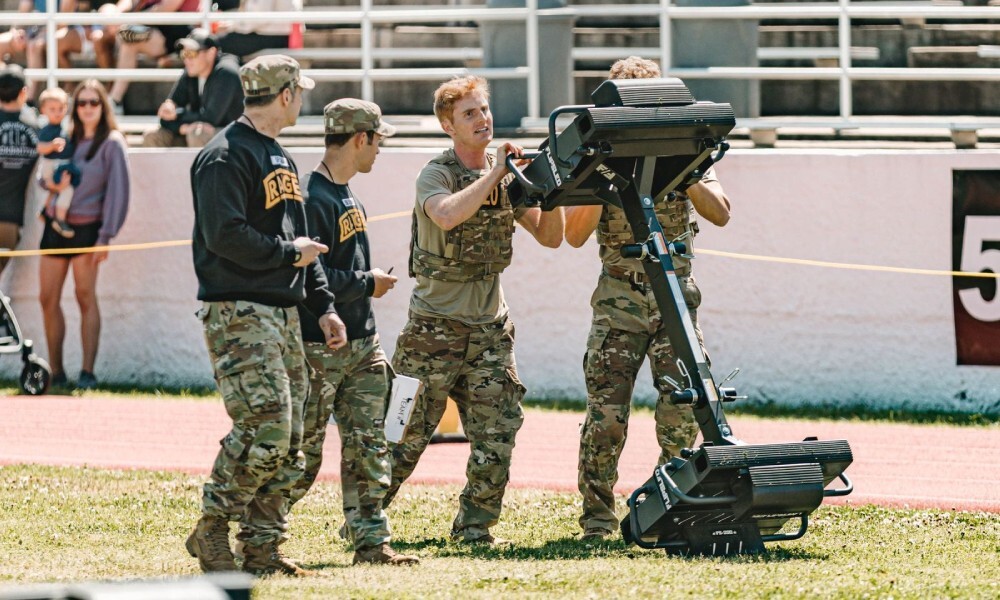
4. Integrate the FlipSled for Unmatched Functional Power
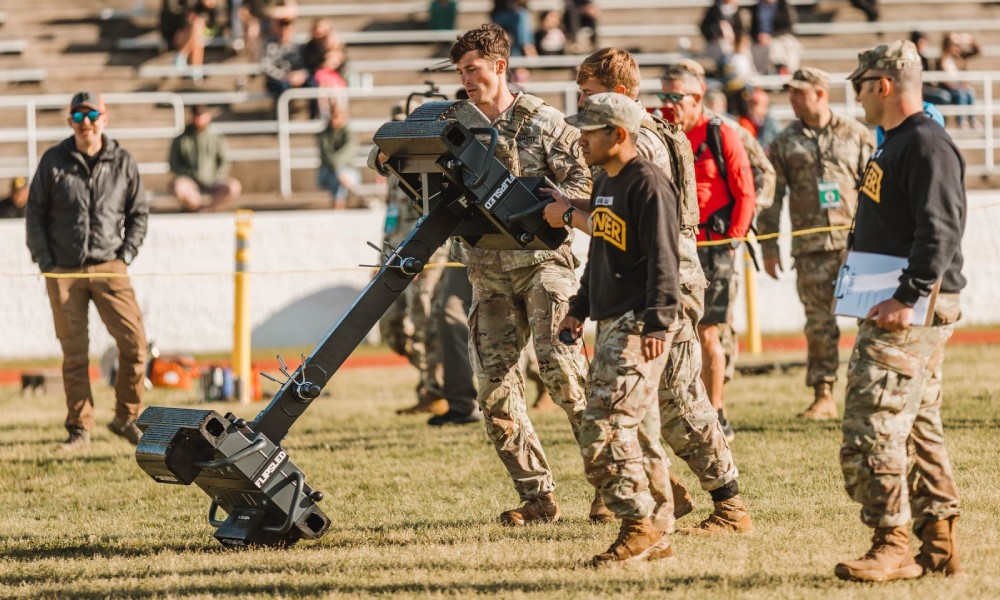
Traditional training has its place, but to truly prepare athletes for the chaos of competition and tactical environments, you need tools that mirror real-world demands. Enter the FlipSled. This innovative equipment takes foundational exercises—like tire flips, sled drags, and pushes—and elevates them with modern design and science. The FlipSled is the ultimate tool for tactical power development and building functional strength.
Training with the FlipSled directly simulates real-world movements, such as executing a takedown, driving an opponent, or moving a heavy object in an emergency. It's built for power, forcing athletes to generate raw, explosive force with every rep. With an adjustable weight range from 190lbs to 690lbs, it challenges athletes at every level, from high school players to elite special forces operators. The FlipSled isn't just a piece of equipment; it's a complete power development system for those who demand peak performance when it matters most.
5. Prioritize Core Stability
A powerful athletic movement is only as strong as its core. The core is the critical link in the kinetic chain, transferring force between the lower and upper body. Without a stable core, energy leaks, and power is lost. Forget endless crunches; true core stability comes from anti-rotation, anti-flexion, and anti-extension exercises.
Movements like planks, Russian twists, and medicine ball throws challenge the core to resist movement and maintain rigidity under load. A strong, stable core allows an athlete to channel the power their legs and hips generate into an explosive upper-body action, whether it's throwing a ball, swinging a bat, or engaging an opponent. For tactical athletes, a stable core helps maintain balance and control while carrying heavy gear or navigating unstable terrain.
6. Optimize Rest and Recovery
The most intense training program is worthless without adequate recovery. You don’t build power during the workout; it's built during the rest periods that follow. The body adapts, repairs muscle tissue, and replenishes energy stores when resting or sleeping. Neglecting recovery leads to overtraining, diminished performance, and an increased risk of injury.
Emphasize the importance of quality sleep, as it is during this time that the body releases crucial growth hormones. Nutrition also plays a vital role; a diet rich in protein is essential for muscle repair, while carbohydrates refuel the body for the next session. Active recovery, such as light stretching or foam rolling, can also aid the process by increasing blood flow and reducing muscle soreness.
Develop Athletic Power with the FlipSled
The FlipSled is the ultimate solution for coaches, trainers, and athletes aiming to unlock peak performance. By combining strength, power, and agility training into a single, versatile, and durable piece of equipment, the FlipSled helps build well-rounded athletes ready to dominate the competition.
Its customizable design, safety-first features, and adaptability to any training program make it a must-have for serious athletic development. Join the countless teams, schools, and organizations already reaping the benefits of the FlipSled. Don’t wait to elevate your training—visit our website today to learn more and secure your FlipSled!
.png)
10 Tips for Building Explosive Power for Football Success
Why Offensive Linemen Need Total Body Power Development

.png?width=200&height=24&name=FlipSled%20Logo%20HRZ%20WHITE%20(1).png)