.png?width=2004&height=239&name=FlipSled%20Logo%20HRZ%20WHITE%20(1).png "FlipSled - Athletic Power Development")

Losing is statistically inevitable over a player and coach’s season and career. The difference between bouncing back and starting a losing streak depends on the team’s preparedness to take a loss.
Winning teams treat it as a learning experience and an extra opportunity to get better, while other teams see it as a crisis.
This blog will teach you how to properly prepare your team to take a loss, and bounce back as a better team.
Why Do Football Teams Need to Prepare for Losing?
It’s impossible to go a whole career without losing, and it’s almost as impossible to even go a season without taking a loss. As a coach, you must prepare your players to treat it as just another obstacle you are going to overcome, because it’s nearly inevitable. If you don’t prepare your team for this, it can be the start of a losing streak.
Helping your team distinguish between losing a game and a losing team identity is a massive step. You must create a culture in which losing isn’t the end of the world. The second you let it become your team's identity, is when it snowballs into a much larger issue.
Losing extra games also comes from over and undercorrecting after the first loss. Whether it’s making panic changes or denying accountability, both sides can lead to a downhill track. Getting your players to stay bought-in despite losing leads to retention of players and continued development as well.
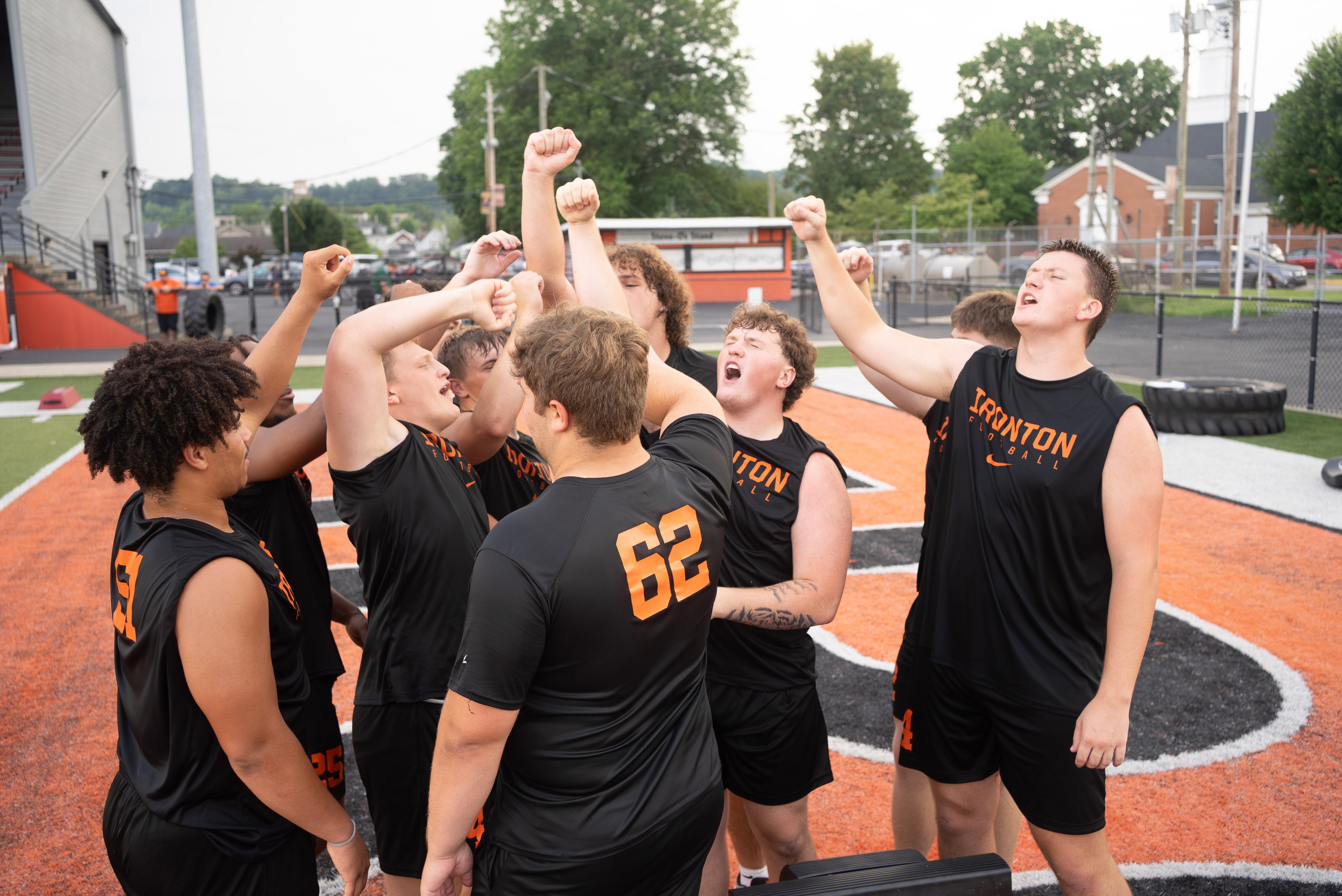
How Can Coaches Build a "Next Play" Mentality?
This aspect of team mentality starts during practice. You can’t just talk about it during your team talks, you have to train it into your players. This can be accomplished through multiple strategies.
One strategy is to preach it when mistakes are made during practice reps. If a play is run badly, or a rep isn’t executed properly, it’s an opportunity to jump in and engrain in your players that you have to flush it and focus on the next rep.
Another way to train this is to create simulated adversity situations in practice. This can be easily executed in scrimmage style settings. Pretend a ref just made a horrible call, or that the other team just scored to make it a large losing deficit. Putting your players in practice situations where they feel adversity will help them be prepared to bounce back after poor execution.
You should also train players to use phrases like “next play”, “short-term memory”, and “flush it” to keep their teammates' heads up after a rough play. This way, everyone’s staying bought in and no one’s getting too low.
What Does Mental Toughness Look Like on a Football Team?
When your team is mentally tough, you’ll be able to notice it in several ways. One obvious example is how they talk after a rough stretch of play. After a turnover or three and out for your offense, or after the defense allows a touchdown, pay attention to what your players are saying and the tone in which they talk when coming to the sideline. This’ll tell you a lot about which players need to be focusing on mental toughness.
Body language can also be very telling in a player and teams mental toughness. If their shoulders are sulking, their heads are down, or they just look defeated, that’s going to rub off on their teammates.
You’ll notice a lot about your team's mental toughness in how they respond to a loss in the day or two after the game. Are they silent and dejected? Then you’d better start training them to improve their mental toughness. Winning teams come to practice the next day fired up to get back to work.
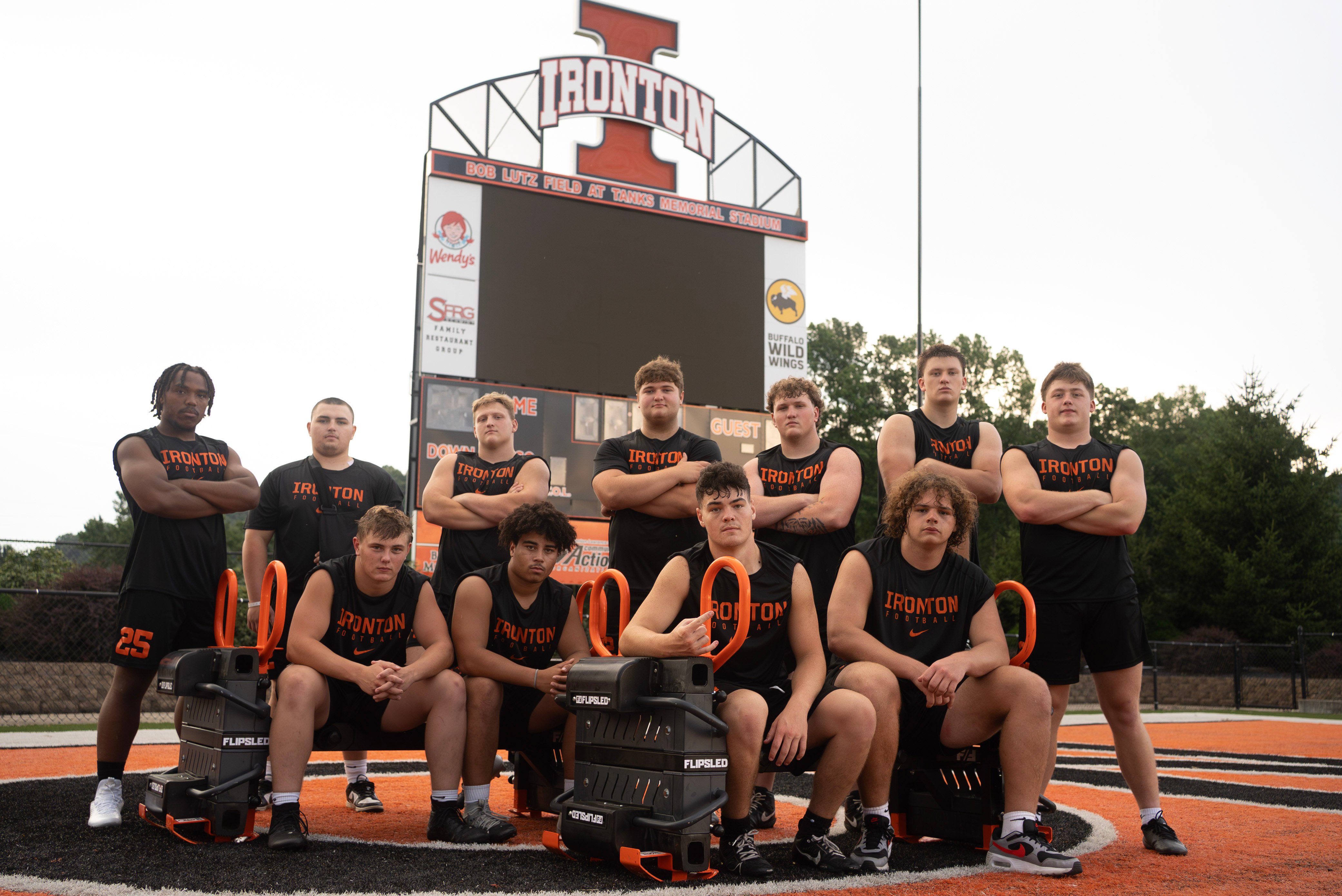
How Should Coaches Set Expectations Before the Season Starts?
The time to start implementing this ability to lose properly is in pre-season. The earlier you start training, the more prepared they are early in the season.
An easy way to help your players be ready is by preaching it during pre-season meetings. You must ensure that the team is bought into the fact that season goals are much larger than just the win-loss record. An underrated aspect of this is making sure that your assistant coaches, boosters, athletic directors, and others are bought-in on this same vision.
The team identity should be trained into them so they can rely on it when they feel that adversity come game-time. This can be as simple as an “identity statement” that your players can lean on when they need to.
What Role Does Physical Training Play in Mental Resilience?
Physical and mental toughness are trained by the same mechanism - controlled discomfort. The training strategy doesn’t change, the way it’s being trained does.
Drills such as sled pushes, power cleans, or culture building exercises can help build this physical toughness, which leads to mental toughness. By putting players in competitive environments, you can train your players to face adversity while also bringing them closer together.
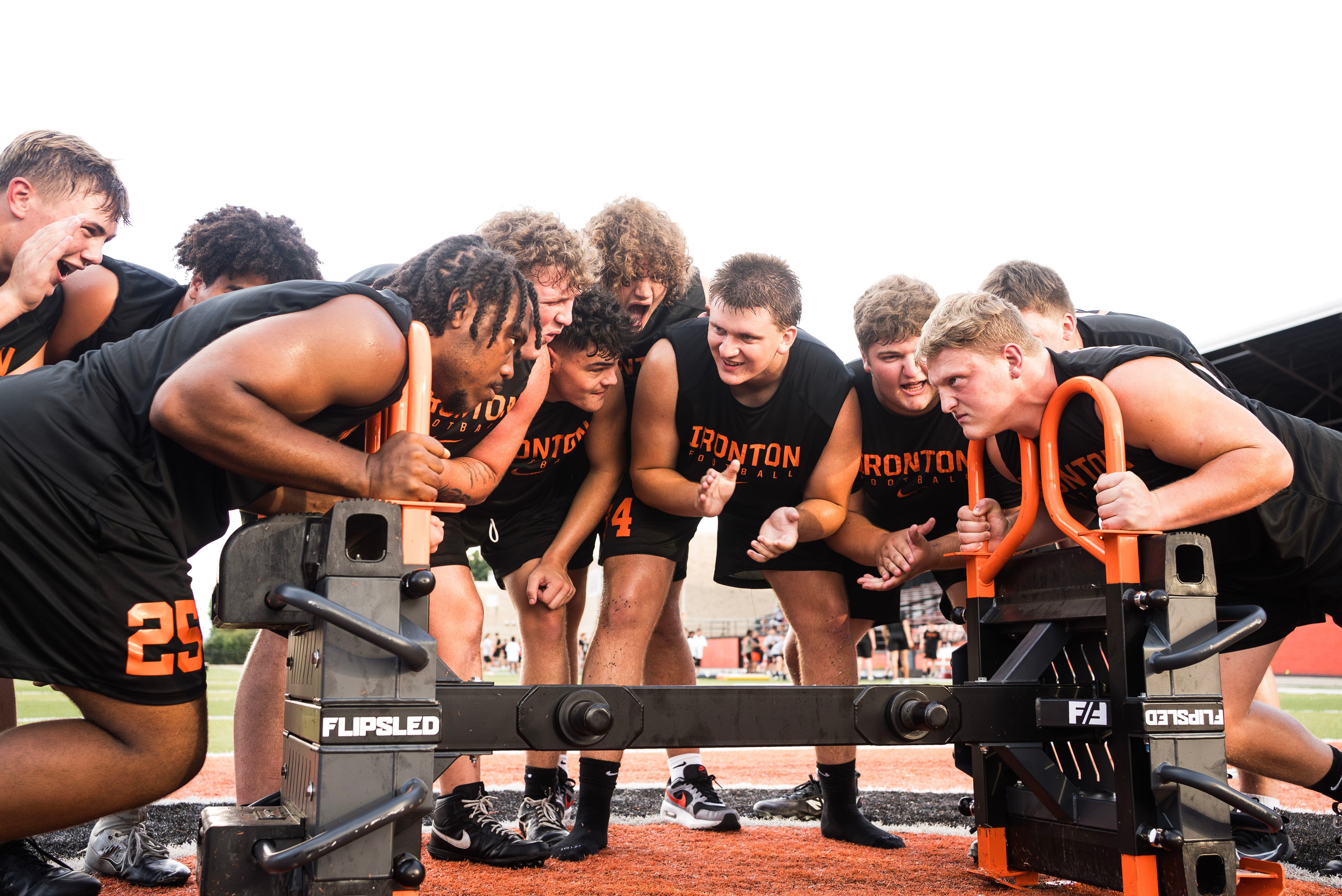
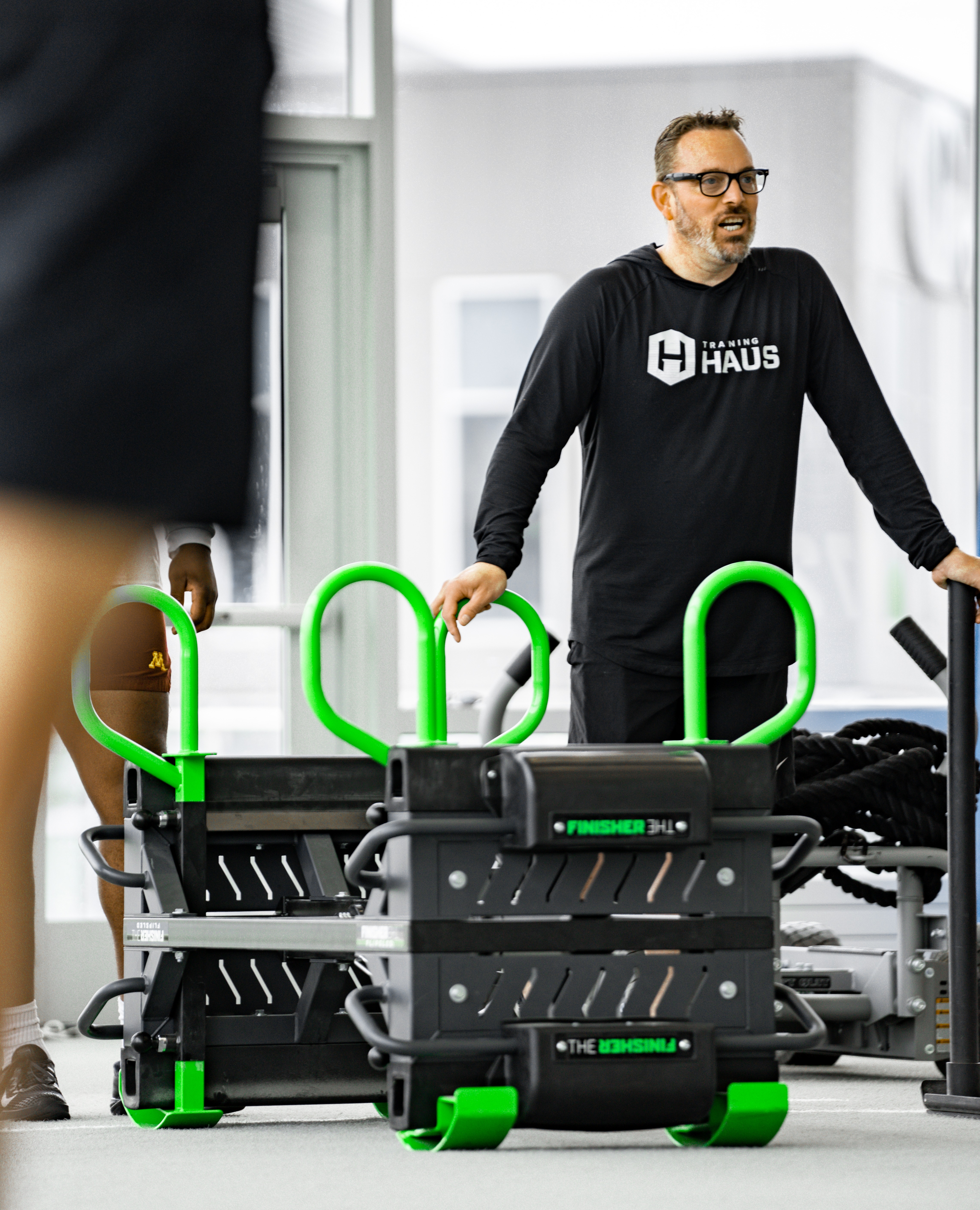
The easiest way to train physical toughness in your players is through The FlipSled. This football sled can be used in a multitude of ways, whether that be to build strength, explosiveness, or put players in competitive environments to build your team culture.
Learn more about FlipSled athletic power development equipment here.
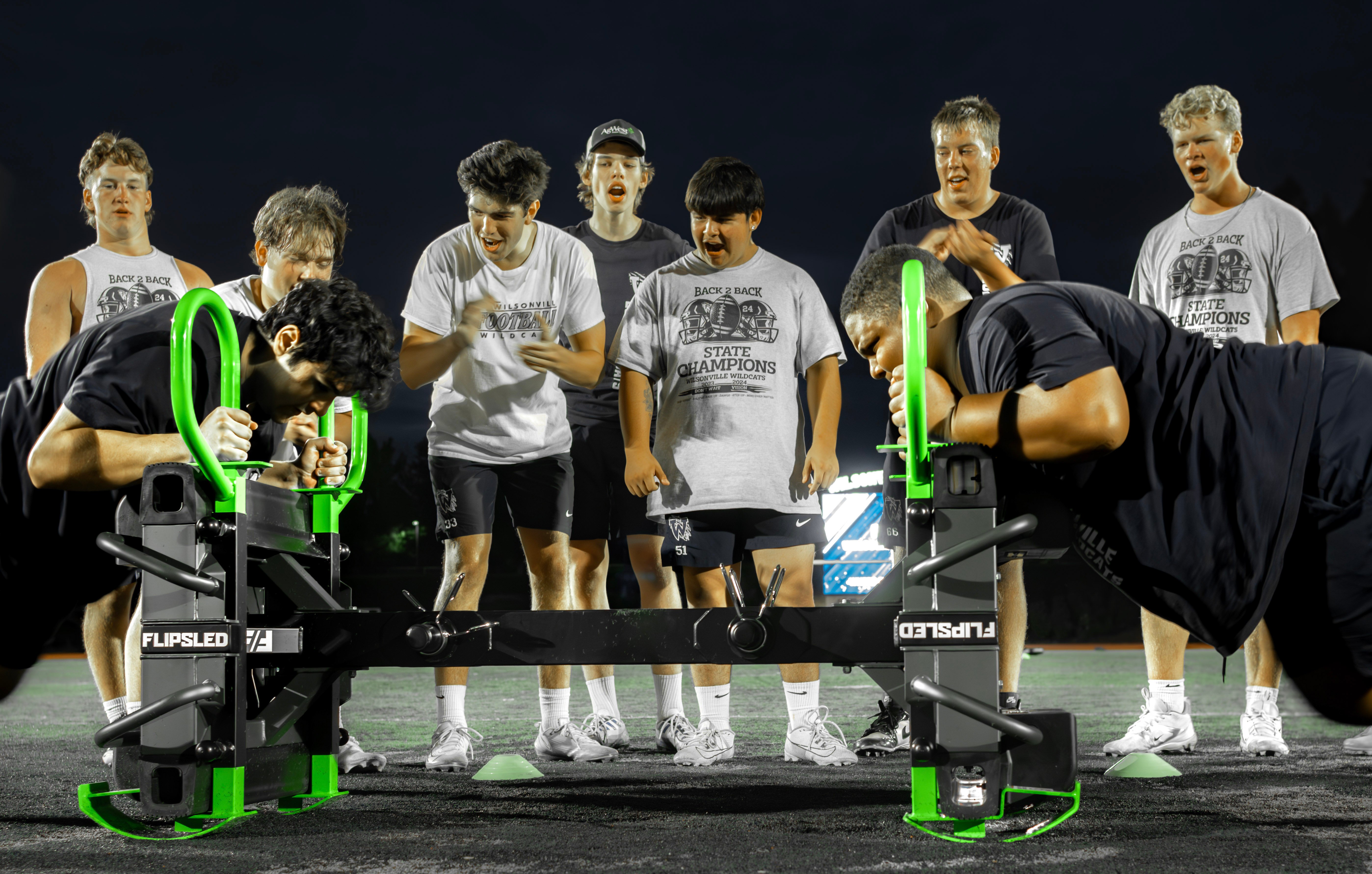
Football Drills for Power and Culture: A Coach's Guide to Building Both
How to Increase Athletic Performance Faster
.png?width=200&height=24&name=FlipSled%20Logo%20HRZ%20WHITE%20(1).png)