.png?width=2004&height=239&name=FlipSled%20Logo%20HRZ%20WHITE%20(1).png "FlipSled - Athletic Power Development")

Freshman year can feel like a sprint that never ends. New campus, new teammates, new expectations, and a schedule that stacks classes on top of training, practice, and travel. If you train as you did in high school without adjusting the plan, you can hit a wall fast.
“Freshman gains” aren’t magic. They come from structure, consistency, and picking the right stress at the right time. Below, we explain how to train smarter for college athletics and achieve freshman gains that put you on the path to senior success.
What Changes When You Step into a College Weight Room
College training brings more resources, but it also brings more load. You might lift with better coaching, but you also face higher intensity practices and longer competitive seasons. That combination can either accelerate progress or pile on fatigue.
Increased Weekly Stress
Even if your lifts look similar, your total weekly workload jumps. Practice pace increases. Position groups demand more. Recovery windows shrink. If you try to “win” every session, you risk losing the week.
Test Recovery Habits
Late studying, early lifts, and noisy dorms can all disrupt sleep that came easily in high school. Nutrition takes a hit when dining hall choices don’t match your needs. Mobility work disappears when life feels packed. None of those issues are fatal, but they stack.
Your Body Must Handle More Contact and More Speed
For field sports, everything happens faster. For court sports, change of direction demands climb. For endurance sports, volume rises. A strong freshman plan prepares your joints, connective tissues, and trunk to handle that jump without living on the treatment table.
The Freshman Goal: Build Power Without Breaking Down
The key to freshman gains isn’t training harder; it’s training smarter for college athletics. A freshman who stays consistent for 12 weeks beats the athlete who goes all-in for 3 weeks and then limps through the rest of the semester.
Train For Transfer, Not for the Mirror
Muscle can help, but performance comes from usable strength. Build force through the ground. Own clean movement positions. Develop a trunk that resists collapse when you cut, jump, hit, and land.
Earn Volume, Then Earn Intensity
If you’re new to college lifting, your first win is showing up and moving well. Start with the volume you can recover from. Then add intensity once the technique and sleep stabilize. That’s how you keep progress moving instead of bouncing between PR days and “deload forever” weeks.
Keep The Main Things Main
A freshman plan should lean on foundational patterns: squat, hinge, push, pull, carry, and brace. Then you layer power work, sprint mechanics, and sport-specific conditioning based on what your staff prioritizes.
A Simple Freshman Training Framework That Scales
This framework works for athletes who train independently and for departments that need consistency across teams. It also makes equipment planning easier because the priority pieces stay the priority pieces.
Phase 1: Foundation and Movement Quality
Start by cleaning up positions and building work capacity. Your lifts should look crisp and repeatable. You should finish sessions feeling trained, not trashed.
In this phase, your best tool is a coach’s eye and a plan that repeats patterns. You learn how to brace. You learn how to hinge. You learn how to move a load without your form falling apart.
Phase 2: Strength and Power Progression
Once the base is stable, you push strength while maintaining speed. That means heavy work stays heavy, but it doesn’t turn slow. You chase clean reps, not grinders that fry your nervous system and wreck the next practice.
This is where performance starts to show up. You feel stronger in contact. You accelerate with less effort. Your posture stays intact late in games.
Phase 3: In-Season Support and Availability
When competition hits, your goal shifts. You maintain strength, protect your tissues, and keep your nervous system sharp. You lift enough to stay strong, but not so much that you feel flat on game day.
A smart in-season plan also reduces decision fatigue. Everyone knows what the lift is, what the targets are, and when to pull back.
Why Foundational Movements Beat Fancy Programming
Athletic departments have different budgets, different facilities, and different staffing levels. The teams that win the development game are the teams that keep training simple and repeatable.
Simplicity Improves Coaching and Compliance
When movements stay consistent, coaching improves fast. Athletes learn faster, assistants coach with confidence, and sessions run on time. That matters for college schedules.
Foundational Movement Builds Durable Athletes
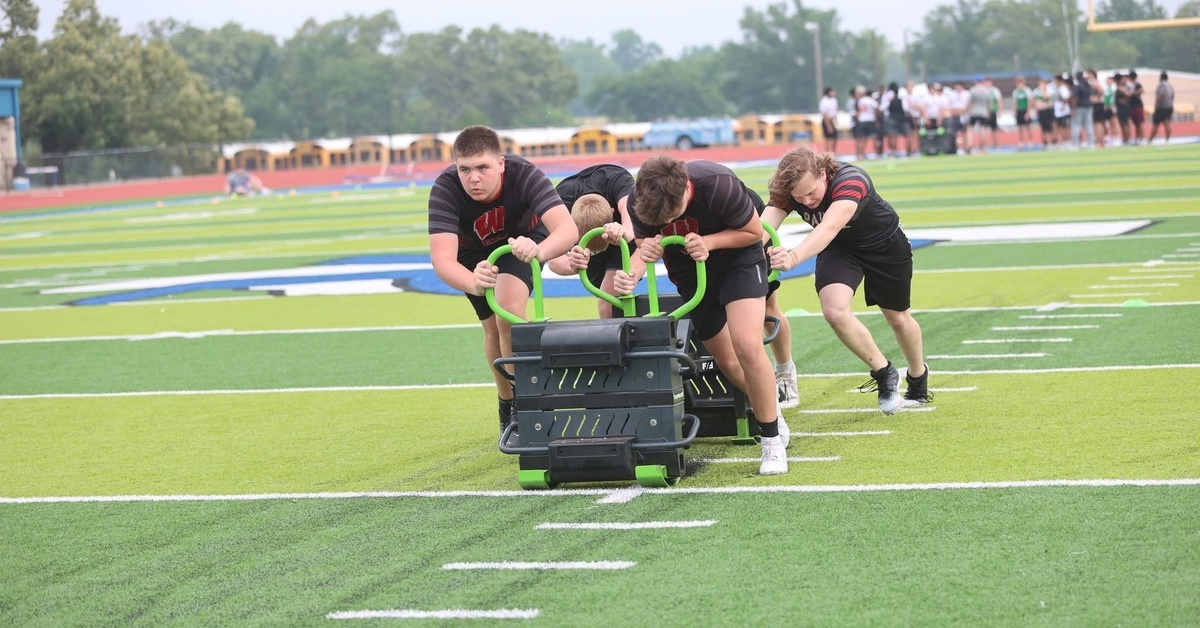
Flipping, pushing, pulling, and carrying patterns train the body as a unit. They reinforce hips, trunk, and grip while teaching athletes to create force and maintain posture. That’s a recipe for performance that holds up under pressure.
Equipment Should Support Movement, Not Replace It
The best training tools make it easier to teach the right patterns and create safe, repeatable overload. For programs evaluating strength and conditioning equipment, the question should be: Does this tool help athletes move better and produce force in positions that show up in sport?
Where The Flip, Push, Pull, and Carry Fit for Freshmen
Freshmen need to learn how to express force without losing position. That’s why these patterns belong early, and why they stay in the plan through the year.
Flips Build Explosive Hips and Total-Body Tension
The flip pattern teaches coordinated power. Hips extend, trunk stays locked, and the athlete learns to apply force through the ground. When coached well, it reinforces athletic posture instead of turning into a back-dominant heave.
Pushes Build Leg Drive Without Complex Setup
Push patterns develop strong acceleration and leg drive with a simple objective: move the load with posture. Coaches can cue shin angles, hip position, and intent without overcomplicating the session.
Pulls and Drags Train Bracing Under Fatigue
Pulling patterns light up the trunk and posterior chain while forcing the athlete to maintain alignment. They also build the gritty stamina that shows up late in games when positions start to break down.
Carries Teach Control, Grip, and Real-World Strength
Carries build strength you can use. They challenge posture, breathing, and grip while keeping the athlete moving. For freshmen, carrying also teaches them how to own space and stay stable under load.
Train Simple, Get Strong, and Stay Available
College athletics rewards athletes who stay healthy and keep improving while the season gets real. If you build your training around foundational movement, smart progression, and consistent recovery, you give yourself the best chance to contribute early and develop for the long run.
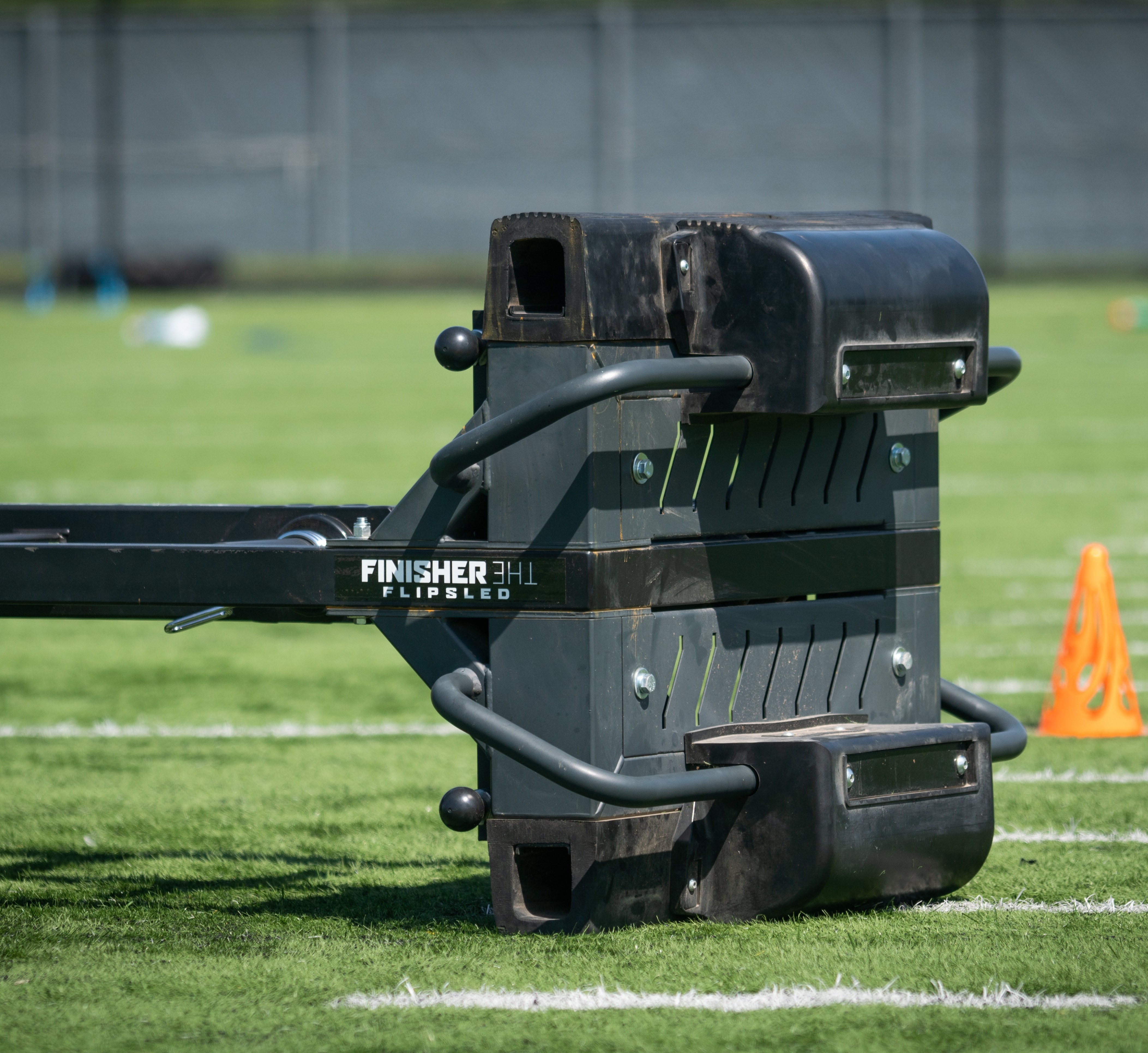
If your program wants a simple way to coach flips, pushes, pulls, and carries in one tool, the FlipSled fits that system without adding complexity. Keep training human, keep it repeatable, and let the results speak.
FlipSled Benefits: More Moves. More Efficient. Less Injuries.

6 Athletic Power Development Tips for Maximal Performance
.png?width=200&height=24&name=FlipSled%20Logo%20HRZ%20WHITE%20(1).png)