.png?width=2004&height=239&name=FlipSled%20Logo%20HRZ%20WHITE%20(1).png "FlipSled - Athletic Power Development")

Talent sets the floor, but culture sets the ceiling. Without total buy-in, your team is just a collection of individuals, not a cohesive unit that bridges the gap between potential and performance. Creating this commitment requires a strategic approach to leadership that goes beyond motivational speeches and demanding drills. Below, we explain some effective ways for coaches to get their football athletes to buy into their program.
1. Build Trust Through Honesty
Trust serves as the bedrock of any successful football program. Players see right through artificial enthusiasm or hollow promises. You cultivate trust by stripping away the facade and engaging with your athletes as human beings first and football players second. This requires consistent, open lines of communication where feedback flows in both directions.
When an athlete knows you possess their best interests at heart, they run through walls for you. You achieve this by keeping your word. If you promise that hard work leads to playing time, you must honor that commitment when the depth chart shakes out. Transparency regarding playing time, scheme changes, and performance evaluations eliminates the whispers and locker room dissent that rot a team from the inside.
2. Set Crystal Clear Goals and Expectations
Ambiguity kills momentum, and athletes crave structure and direction. You must define exactly what success looks like for the team and the individual. A vague goal of "winning games" offers no roadmap for the daily grind. You need to break down the season into digestible objectives, from weight room benchmarks to specific statistical improvements on the field.
Establish a standard of performance that leaves no room for interpretation. Define the expectations for punctuality, effort during drills, and conduct off the field. When every player understands the mission, they can align their personal ambitions with the team's objectives. You show them that every sprint, every rep, and every film session serves a specific purpose in the grand scheme of the season.
3. Prioritize Athlete Safety with Smart Innovation
Modern athletes are smarter and more aware of their bodies than ever before. They want to know that you prioritize their longevity and health. You gain immense respect and buy-in when you implement training methods that maximize output while minimizing unnecessary wear and tear. You demonstrate that you care about their career, not just their current season.
Integrating low-impact training tools proves you are investing in their safety without sacrificing intensity. Equipment that mimics natural biomechanics reduces the risk of joint injuries that are common in traditional, high-impact, heavy lifting. When players see you investing in equipment and protocols to keep them healthy and active, they trust the process. They practice harder because they know the program protects them.
.jpg?width=1000&height=600&name=nXLMNSkGEUrBlryvQ8aqrXorVFAQyvNj1770221746%20(1).jpg)
4. Provide Effective Training That Translates to the Field
Nothing destroys buy-in faster than busy work. Athletes need to feel the connection between the weight room and the fourth quarter. You must utilize training equipment that develops functional strength and explosive power relevant to football. Traditional static lifts have their place, but dynamic, multi-planar movements build the dominant athletes who win battles in the trenches.
The FlipSled represents the pinnacle of this functional approach. This advanced football sled allows you to train the core elements of football performance—powerful leg drive, explosive hips, and violent finishing—in a single piece of equipment. When your linemen feel the difference in their blocking power because they trained with a tool that mimics the triple extension necessary on the field, they buy in. The FlipSled turns abstract strength into tangible on-field dominance.
5. Encourage and Implement Player Input
An effective way to get football athletes to buy into your vision is to make them feel involved and important. While you provide the structure, your players must feel ownership over the culture. You encourage buy-in by giving team leaders a voice in the decision-making process. This does not mean they call the plays, but it means their perspective on training intensity, team bonding activities, and locker room dynamics matters.
Create a leadership council of veteran players who meet regularly with the coaching staff. Listen to their feedback on what drills energize the team and which ones drain morale. When you implement a player's suggestion, you validate their investment in the program and transform them from passive participants into active stakeholders. An athlete who feels heard fights harder to protect the culture they help build.
6. Recognize and Celebrate the Grind
Glory on Friday nights attracts the fans, but recognition of the Tuesday grind captures the players. You must shine a spotlight on the unglamorous work that builds champions. Celebrate the offensive lineman who executes a perfect down block during a scrimmage. Highlight the scout team player who gives the starters a great look.
Showcase milestones in the weight room. When a player hits a personal best or masters a complex technique, make a big deal out of it. This positive reinforcement signals to the entire team that effort matters as much as talent. You create an environment where hard work acts as the currency of respect. When athletes know that their sweat equity yields recognition, they invest more of it.
7. Foster Unbreakable Team Unity
A fractured locker room cannot withstand the pressure of a close game. You must intentionally design opportunities for team bonding that go beyond the playbook. Shared adversity creates the strongest bonds. You need training sessions that force players to rely on one another to finish the task.
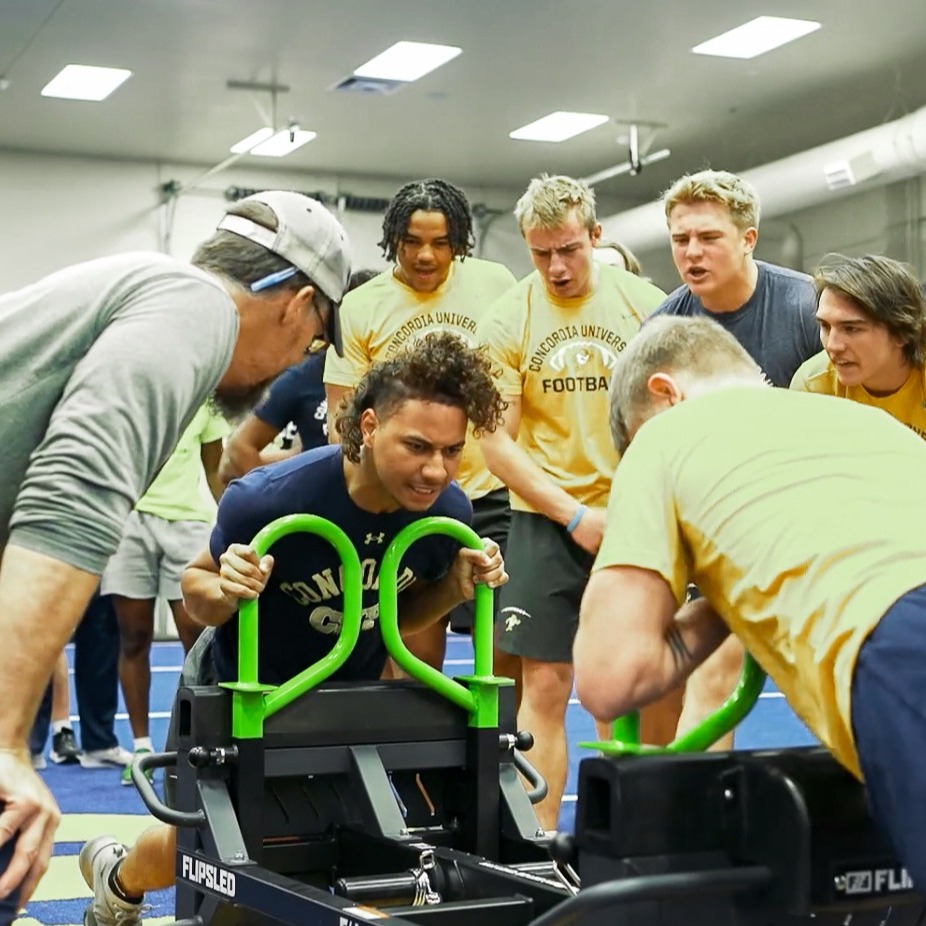
Utilize equipment that mandates cooperation. The FlipSled allows you to move four times more players at once than traditional sleds. When a group of athletes must coordinate their explosive power to move a heavy load, they learn to communicate and synchronize their efforts physically and mentally. This shared struggle builds a brotherhood and shows players that they cannot succeed alone.
.jpg?width=1000&height=600&name=Dzr20p8JBOPZG8IzOd3upGNTGMeALeCu1770221771%20(1).jpg)
8. Lead by Example from the Front
You cannot demand intensity if you coach with apathy. The speed of the leader determines the speed of the pack. You must embody the energy and focus you expect from your athletes. If you want them to attack practice with enthusiasm, you must bring that same fire to every whistle.
Involve yourself in the drills and demonstrate that you are in the trenches with them. When the team runs conditioning, be present and engaged, not checking your phone on the sideline. Your passion serves as the ignition for their buy-in. When players see their coach obsessed with improvement and detail, they mirror that behavior.
Conclusion
Building athlete buy-in isn’t a one-time effort—it’s a daily commitment to leadership, trust, and results. By combining honest communication with innovative tools like the FlipSled, you can push athletes to their limits while respecting their minds and bodies. Investing in your players' development with top-tier equipment and a clear vision inspires them to give their all to your program. This is the formula for creating a high-performance, championship culture.
.jpeg?width=3988&height=3989&name=FlipSled_Kennedy%20HS%20Marines_IMG_0025%20(2).jpeg)
4 Football Drills: Team Competitions
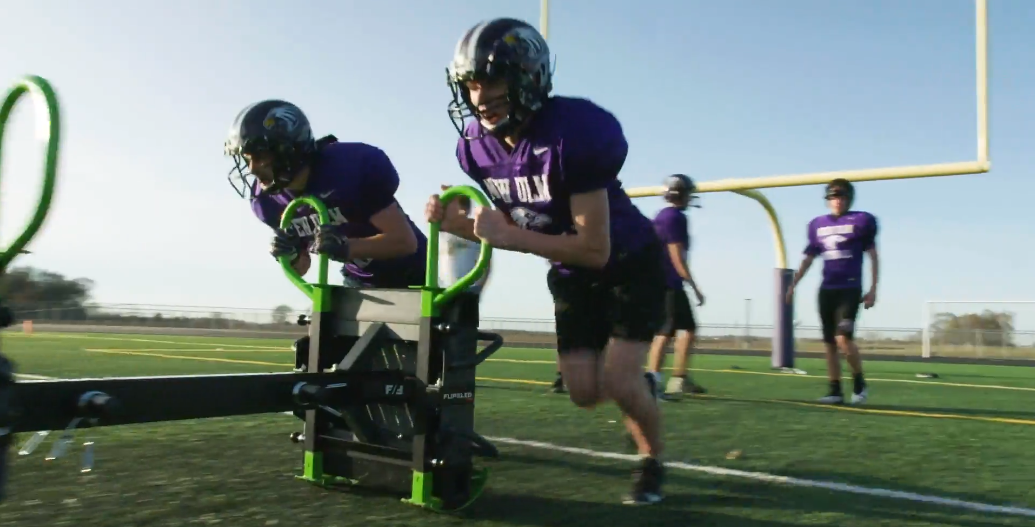
FlipSled - New Ulm High School Football Team Workout
.png?width=200&height=24&name=FlipSled%20Logo%20HRZ%20WHITE%20(1).png)