.png?width=2004&height=239&name=FlipSled%20Logo%20HRZ%20WHITE%20(1).png "FlipSled - Athletic Power Development")

Special teams may not feel “special” until they win (or lose) you a game. A single kickoff return lane, punt coverage breakdown, or missed tackle can flip field position and momentum in seconds.
If you coach special teams, you manage the highest-urgency snaps in football. Your players sprint, collide, re-accelerate, and finish in space with almost no margin for error. Keep reading to understand why strength and speed matter when it comes to football special teams.
Why Special Teams Expose Physical Gaps
Special teams punish weakness because they compress everything into one violent, fast decision window. On kickoffs and punts, players build speed over large closing distances before contact, which raises the demand for body control and collision tolerance.
You cannot “scheme” your way out of getting outrun down the field. You cannot coach around a returner who cannot stop, start, and redirect under pressure. When your athletes show up with better sprint mechanics, stronger hips, and more repeatable power, your coverage units swarm the ball carrier and your return units create daylight.
Field Position is a Strength and Speed Problem
Field position swings when a coverage unit wins leverage and finishes tackles in space. That happens when your fastest players stay fast in the fourth quarter and still bring force on contact. It also happens when your return team holds blocks and displaces opponents without grabbing.
You build those outcomes with a plan that targets acceleration, top-end speed, deceleration, and contact-ready strength. You also build them with strength and conditioning.
The Real Demands of a Special Teams Snap
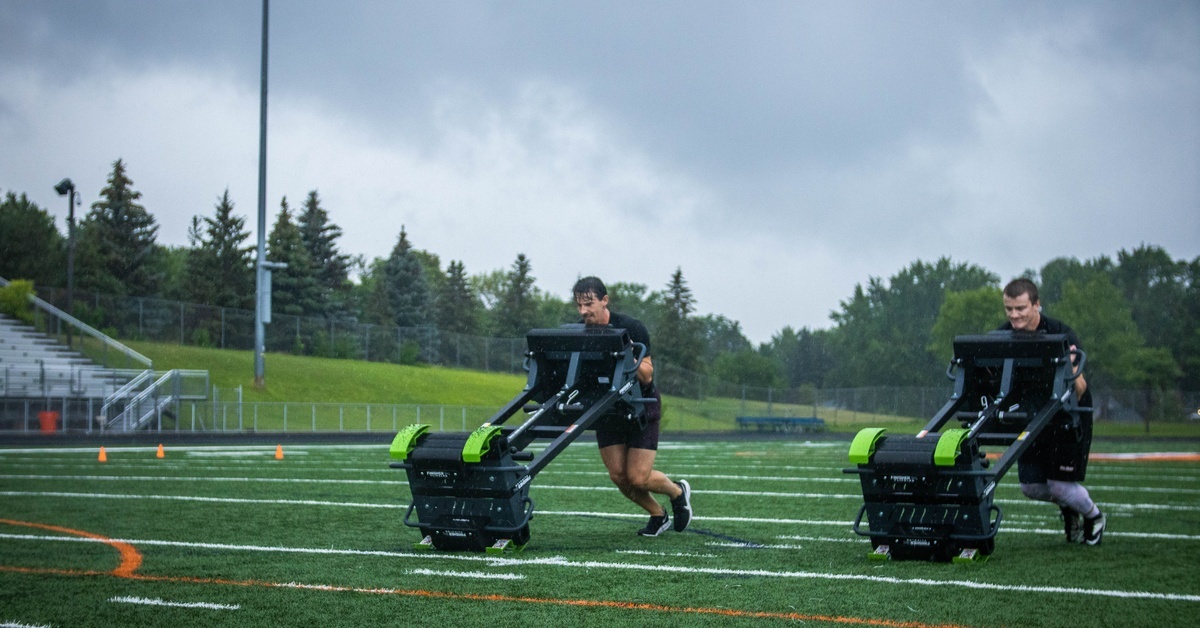
A typical football play lasts only a few seconds, and that short duration pushes athletes into repeated high-output bursts. Special teams plays, however, are typically longer and require more intense athleticism and conditioning.
On punts and kickoffs, players may have to sprint 40-50 yards down the field to outrun their blockers or stay ahead of the defenders they must block, and then use their strength to hold blocks or take down the ball carrier. This is why strength and speed matter for football special teams.
Speed Without Strength Breaks Down
Speed creates advantage, but strength keeps the advantage from evaporating at contact. If your fastest coverage player cannot strike, wrap, and finish, the returner turns a near-stop into a crease. If your return unit cannot anchor and drive, your returner sees traffic instead of lanes.
You want usable speed, which means your athletes stay stable through contact and keep their feet under them. That comes from lower-body strength, trunk stiffness, and strong posture under load.
Strength Without Speed Arrives Late
A strong player who cannot accelerate becomes a liability on kickoff and punt teams. Special teams asks players to win a race to a landmark, then play football at the point of contact. If the athlete arrives late, the “strength” moment never shows up.
You fix that gap with acceleration training, sprint exposure, and repeatable mechanics. You also choose tools that let athletes produce force fast, not just lift heavy.
What “Football-Ready” Strength Looks Like for Special Teams
Special teams strength does not mean bodybuilding. It means your athletes produce force in short windows, hold position through contact, and keep their hips and shoulders square while moving. It means they strike with full-body connection, not just arms.
You can build that with compound strength work, but equipment choices matter because special teams live in forward lean, horizontal force, and sudden direction changes. Tools that support driving, bracing, and resisting movement tend to transfer well.
Prioritize Horizontal Force and Posture
Kickoff coverage and punt coverage reward athletes who accelerate with intent. They push the ground back, stay tall through the hips, and keep their steps efficient as speed rises. When posture collapses, athletes overstride, lose balance, and miss tackles.
Choose training methods that teach athletes to drive while maintaining a stable trunk. When you do that, speed becomes more repeatable, and contact becomes more controlled.
How Football Training Equipment Supports Special Teams
You do not need a warehouse of gear to build special teams monsters. You need football strength and conditioning equipment that trains the specific qualities your units rely on: acceleration, leverage, and finish power. The best setups also let you train safely and consistently with large groups.
Sled Work Builds Drive and Acceleration
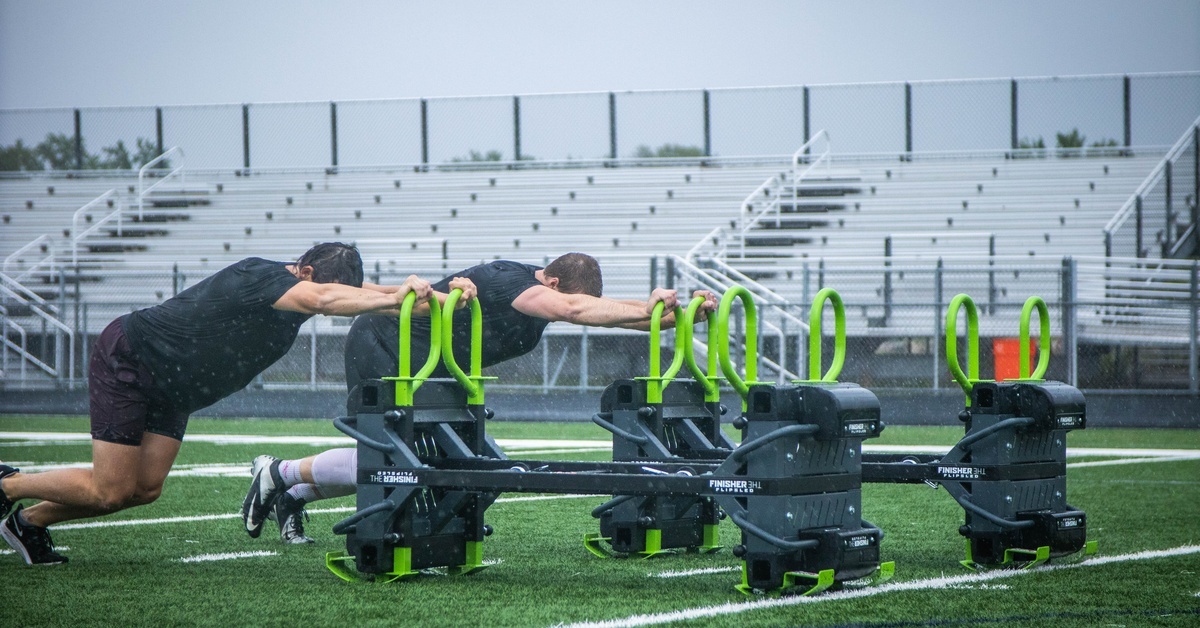
Sled pushing and pulling teach athletes to apply force into the ground with a forward lean. Coaches typically employ sleds to build drive strength and reinforce body position under resistance in their players.
The FlipSled gives special teams coaches a practical way to train acceleration, power, and finishing mechanics with one system. The FlipSled builds explosive power, endurance, and coordination, with adjustable loading and movement that aims to match natural biomechanics across skill levels. That combination matters for special teams because your unit includes a wide range of body types and roles. You need tools that scale for your biggest blockers and your fastest coverage players without forcing you to change the training goal.
Resistance Bands Add Variable Load and Control
Bands let you train acceleration mechanics, lateral control, and trunk stability without high joint stress. They also let you coach positions and angles that resemble release-and-run situations on special teams. Some football-specific band systems focus on maintaining squat posture and body position under tension, which can help athletes feel what “connected” movement should be.
Bands also help you build stronger deceleration mechanics. If athletes learn to brake with good shin angles and hip control, they tackle and avoid blocks with more reliability.
Medicine Balls Train Rotational Power and Bracing
Special teamers strike and stabilize on the move. Medicine balls give you a clean way to train rotational power, trunk stiffness, and coordinated strike mechanics. These balls are excellent tools for core and rotational power development, which can support tackling and block finishing.
Choose throws that reinforce posture and hip-shoulder connection. You want athletes to generate power without losing balance.
Cones, Ladders, and Simple Speed Tools Still Matter
Speed tools do not replace sprinting, but they can support footwork, spacing, and re-acceleration patterns. Use them to sharpen angles, timing, and transition efficiency. Then you layer the real sprint exposures and contact work on top.
Condition For Repeat Sprints and Surprise Calls
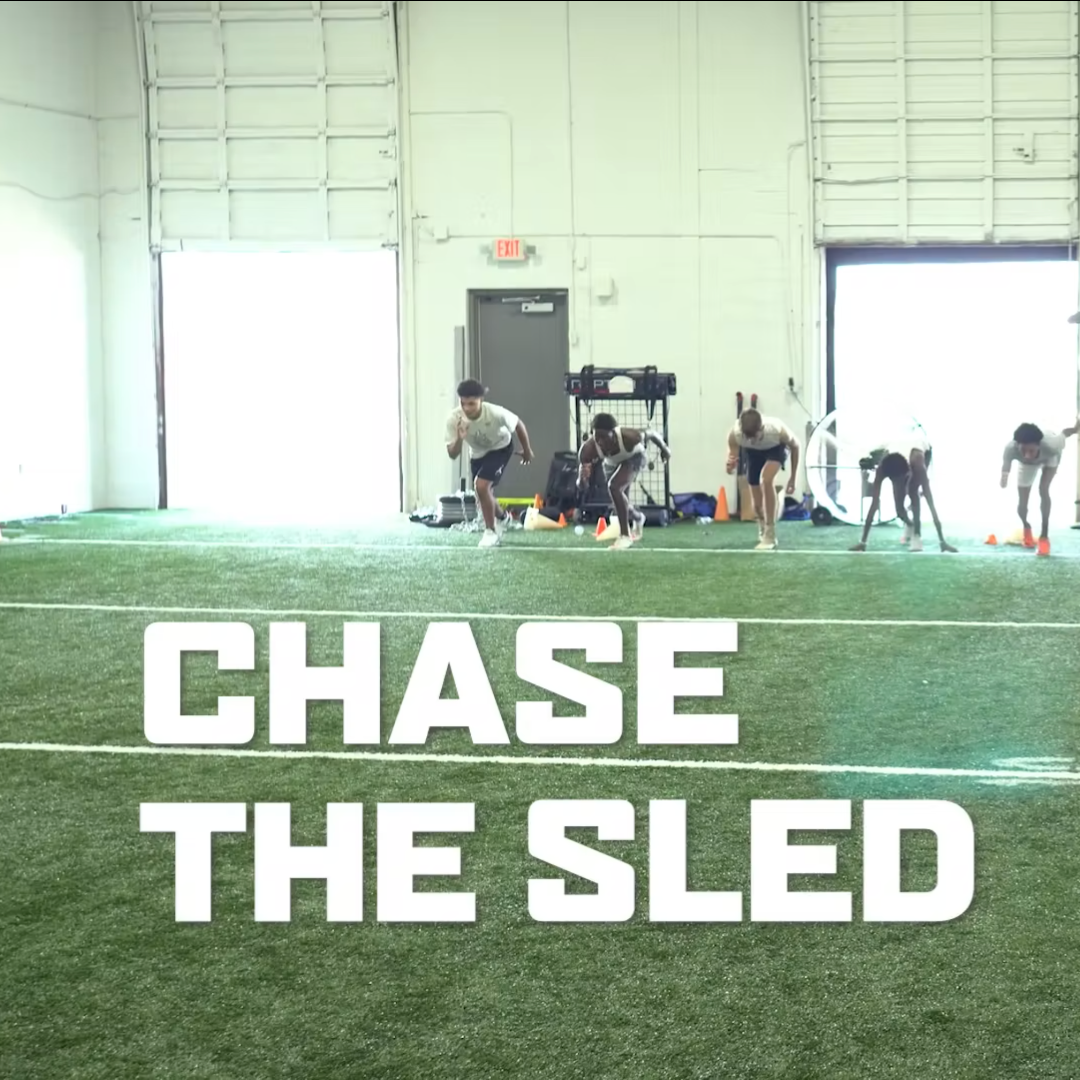
For players who only play on special teams, they have to enter the game cold and must perform immediately. Train repeat-sprint ability and rehearse “on-call” intensity with short, intense sets and incomplete rest. Include change-of-direction work that forces athletes to brake and re-accelerate under fatigue.
When you condition like this, you reduce late-game breakdowns. You also support cleaner tackling form because athletes keep their posture when tired.
Bringing It All Together
Special teams can decide games because they control field position, creates sudden scoring opportunities, and flips momentum fast. Strength and speed decide those moments because special teams compresses sprinting, contact, and change of direction into one snap.
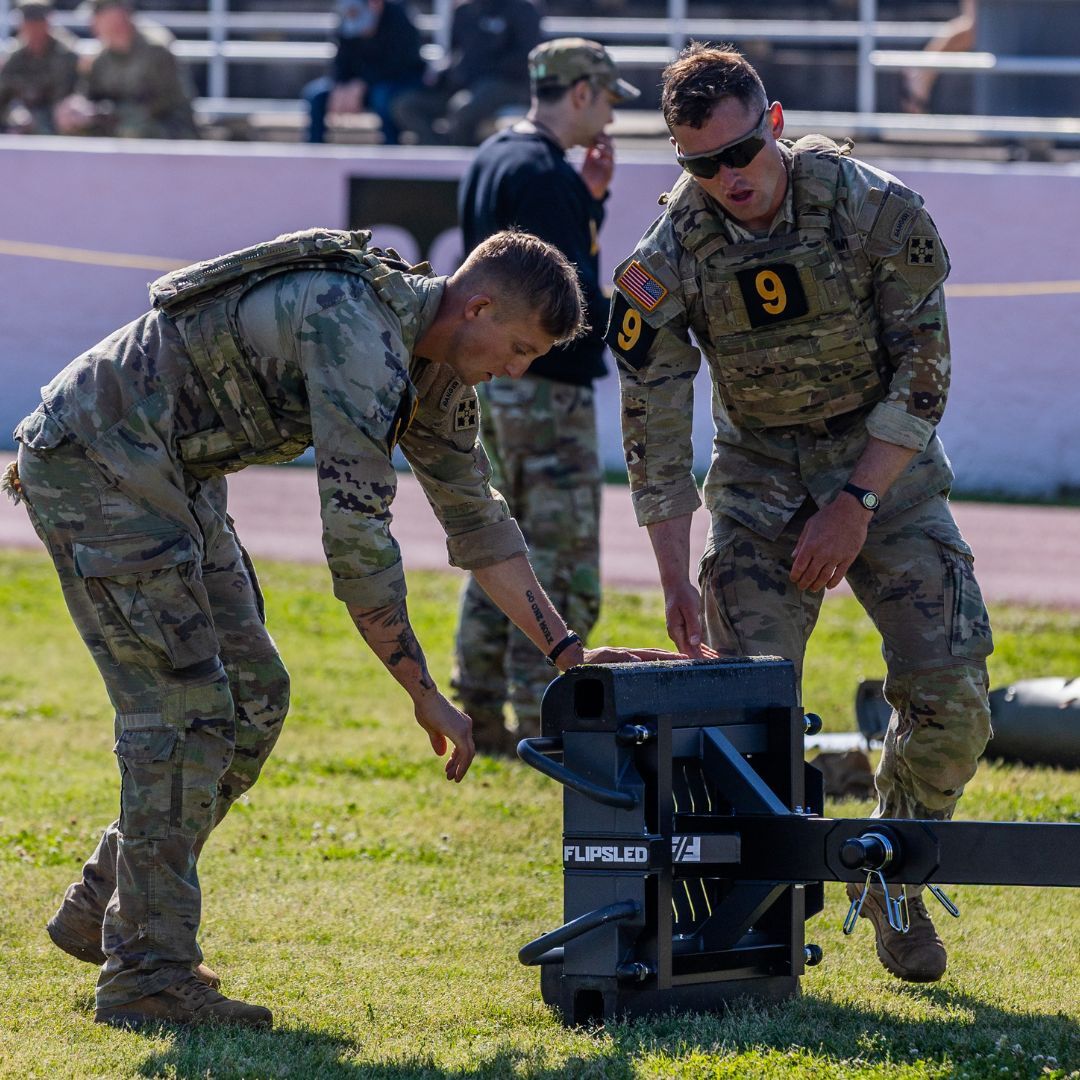
While the FlipSled is typically for linemen, it offers advantages to all kinds of players on your team, including special teamers. Employ the FlipSled to develop lower body strength, explosiveness, and endurance in your special teamers, and your units will dominate the field position game.
Load-Bearing Power Training for Tactical Professions
Football Drill - Chase The Sled
.jpg)
.png?width=200&height=24&name=FlipSled%20Logo%20HRZ%20WHITE%20(1).png)