.png?width=2004&height=239&name=FlipSled%20Logo%20HRZ%20WHITE%20(1).png "FlipSled - Athletic Power Development")

Engaging athletes during training is just as important as choosing the right exercises. Players who understand what they are doing, see how it connects to performance, and feel challenged by the work tend to bring more energy to each session.
For football coaches, engagement does not require turning every workout into a competition or constantly introducing new exercises. The best exercise instruments make familiar movements more purposeful. Below, we’ll examine the best training tools that coaches, trainers, and tactical supervisors can use to increase athlete engagement.
Why Athlete Engagement Matters in Training
Athletes can complete a workout without truly engaging with it. They may finish every rep, but simply going through the motions limits the quality of the session.
Engaged athletes train with greater intent. They accelerate through movements instead of cruising, compete through difficult sets, and pay closer attention to coaching cues. That difference can change the value of the same exercise without adding more time to practice.
Make the Purpose Easy to Understand
Athletes respond better when they understand why an exercise belongs in the program. A coach does not need to give a lecture on biomechanics before every set, but players should see a connection between the movement and their sport.
Training tools can make that connection easier to recognize. Sprint equipment emphasizes acceleration, resistance equipment demands force production, and loaded movement challenges athletes to control their bodies under stress. The equipment gives the athlete immediate context for the work.
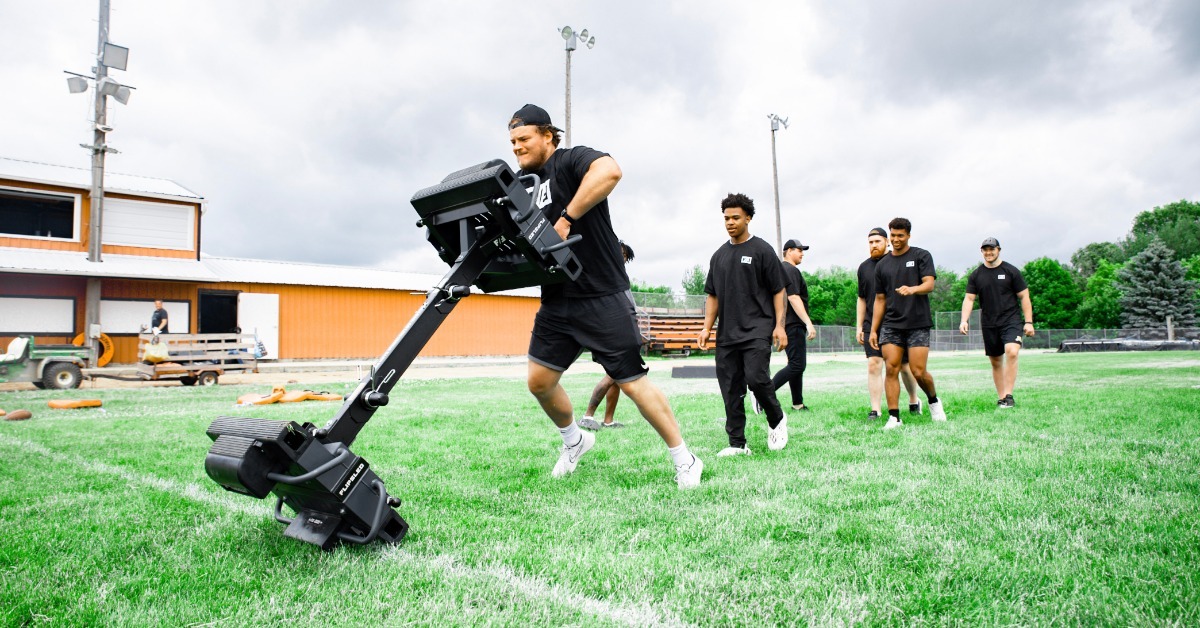
Choose Tools That Encourage Athletes to Attack the Rep
The best training tools to increase engagement invite athletes to do something rather than simply move through a set pattern. They create resistance, provide feedback, or give the athlete a clear physical task to complete.
That is one reason sled workout equipment can fit well into football strength and conditioning programs. Athletes can push, pull, drag, or manipulate resistance while moving with intent. Coaches can also change loading, distance, and movement selection without making the session unnecessarily complex.
Sleds Create a Clear Physical Challenge
Sled-based exercises provide athletes with an immediate challenge: move the resistance from one point to another. That simplicity can help players focus on effort instead of trying to remember an intricate sequence.
For football athletes, resisted movement can also complement the demands of the sport. Players must produce force against the ground, maintain body position, and continue driving when resistance pushes back. A sled gives coaches a straightforward way to train those qualities.
Medicine Balls Add Speed to Strength Training
Medicine balls can bring a different kind of energy to a training session. Throws allow athletes to express force quickly while moving through patterns that feel more dynamic than traditional weight-room exercises.
Coaches can use rotational throws, overhead movements, or explosive passes depending on the training emphasis. Because each repetition has a clear beginning and finish, athletes can concentrate on producing a sharp, powerful effort.
Resistance Bands Provide Variety Without Complexity
Resistance bands give coaches numerous ways to modify familiar exercises without introducing completely new movement patterns. They can add resistance to jumps, upper-body exercises, mobility work, or acceleration drills.
They also make it easy to organize athletes in groups. Coaches can set up stations, adjust resistance levels quickly, and keep more players moving instead of waiting for a piece of equipment.
Jump Equipment Makes Explosive Training Easy to See
Boxes, hurdles, and other jump-training tools give athletes an obvious target. Clear targets can create stronger intent because players immediately know what they need to accomplish.
Jump exercises can emphasize takeoff power, landing control, or explosiveness. Coaches can also adjust height, spacing, or direction to match the athlete's ability and the demands of the session.
Visible Progress Can Increase Buy-In
Athletes like seeing improvement. A player who jumps with better control, clears a new height, or produces more distance receives immediate feedback from the exercise.
Coaches should still prioritize quality over chasing bigger numbers. The value comes from giving athletes a measurable challenge while maintaining sound movement.
Free Weights Invest Athletes in Strength Development
Barbells and dumbbells remain valuable because they allow athletes to progressively challenge themselves. Players can understand when they lift more weight, improve technique, or complete demanding sets with greater control.
Progressive resistance also creates a natural sense of development. Athletes can recognize how weeks of consistent work contribute to stronger performance in the weight room.
Do Not Let Numbers Become the Entire Session
Weight on the bar provides useful feedback, but coaches should not let it become the only way athletes judge progress. Technique, movement speed, control, and consistency also matter. A strong program teaches athletes to value the quality of each repetition.
Timing Tools Add Competition Without Changing the Exercise
Stopwatches, timing gates, and other timing systems can increase engagement by adding objective feedback to familiar drills. Athletes immediately see whether their effort changed the result.
Coaches can use timing during sprint work, conditioning, or selected movement drills. The key is using the numbers to support training rather than letting athletes sacrifice mechanics simply to record a faster time.
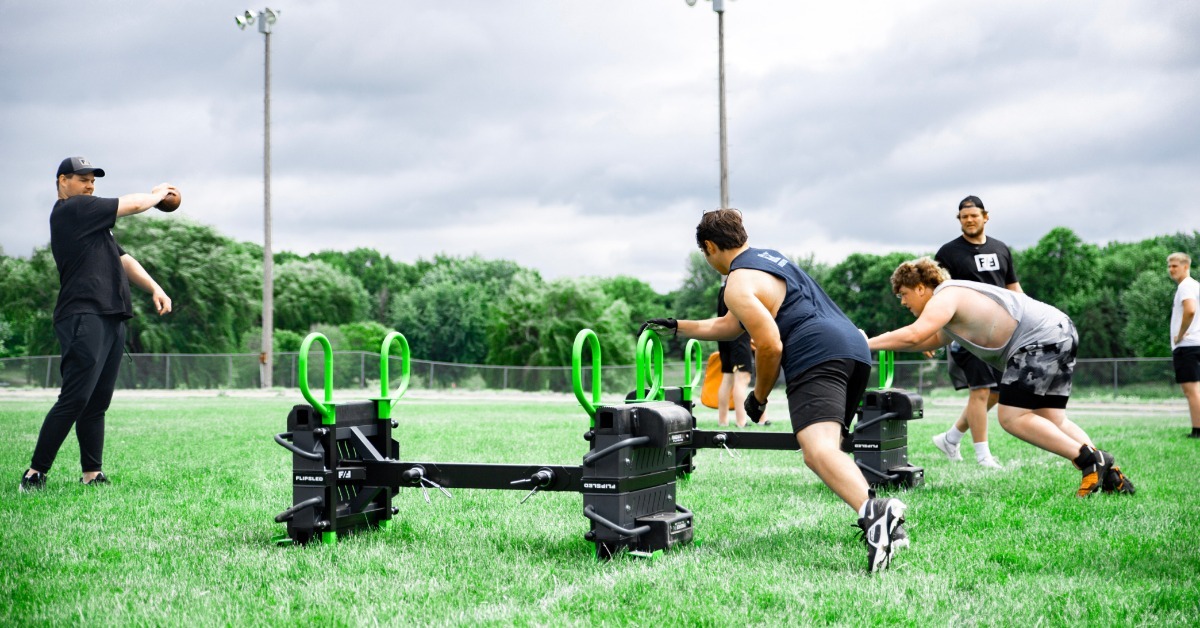
The FlipSled Combines Challenge With Simplicity
Some training equipment works well because athletes understand it almost immediately. The FlipSled builds around fundamental movements such as flipping, pushing, and pulling, giving coaches several ways to challenge athletes without relying on intricate setups.
That versatility can help maintain engagement across a training block. Coaches can adjust the exercise, load, or distance while allowing athletes to focus on explosive, functional movement. The equipment changes the challenge without forcing the program to chase novelty.
Make Every Rep Connect to Performance
Football players respond to training that feels physical and purposeful. Driving into resistance, moving a heavy object, and finishing a rep with intent create a different experience than completing exercises without a clear competitive element.
That does not mean every exercise must imitate a football play. The value comes from developing qualities that support athletic performance while giving players a task they can understand and attack.
Give Athletes Training They Want to Attack
Athlete engagement grows when training feels purposeful, challenging, and connected to improvement. Sleds, medicine balls, resistance bands, jump equipment, free weights, and timing tools can all help coaches create that environment when they use them with clear intent.
The best approach keeps the training simple enough to coach well while giving athletes a reason to attack every repetition. The FlipSled fits that philosophy by turning foundational movements into demanding, versatile training opportunities for football programs.
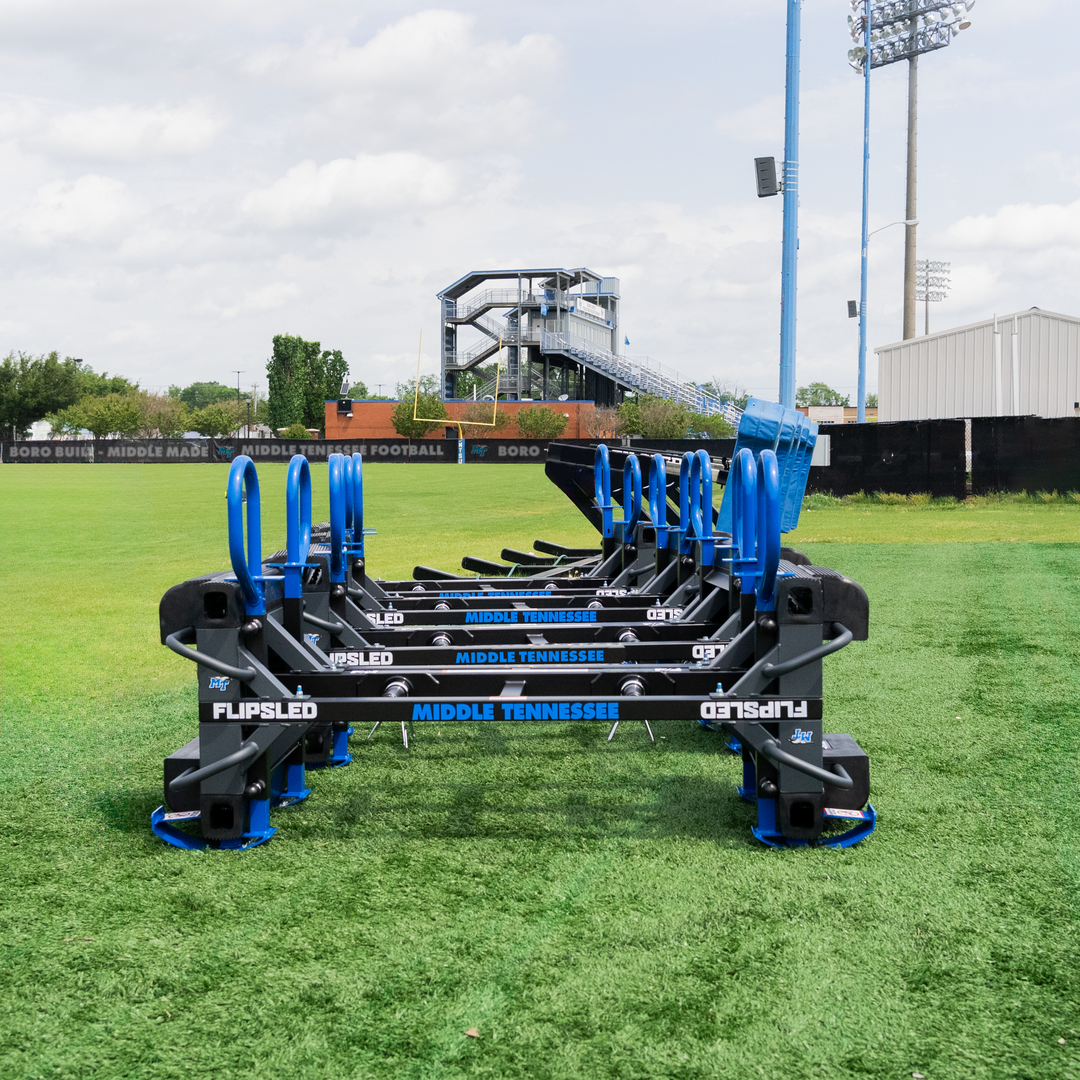
If you want to bring more explosive, functional training into your program, explore FlipSled and see how one adaptable piece of equipment can add new challenges to your team's strength and conditioning sessions.
.jpg?width=3860&height=3860&name=FlipSled_Kennedy%20HS_000170%20(1).jpg)
FlipSled: Football Summer Training
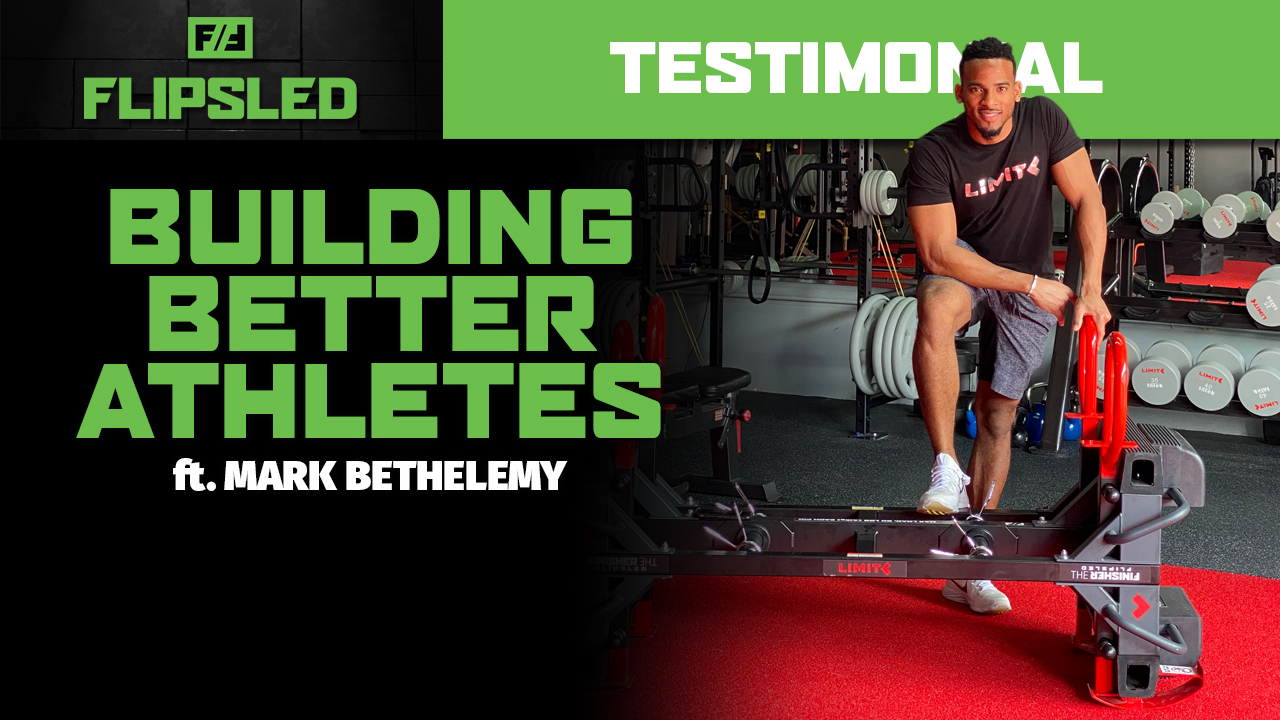
Creating Better Athletes Ft. CEO Mike Barthelemy
.png?width=200&height=24&name=FlipSled%20Logo%20HRZ%20WHITE%20(1).png)