.png?width=2004&height=239&name=FlipSled%20Logo%20HRZ%20WHITE%20(1).png "FlipSled - Athletic Power Development")

Football speed is not just a stopwatch number. It shows up when a receiver creates separation, a linebacker closes a running lane, or a lineman explodes off the ball before his opponent can react. Coaches who want faster players must teach athletes how to apply force, control their bodies, and sprint with purpose.
Telling an athlete to move faster will not create lasting improvement. Speed development requires a plan that combines sprinting, strength, power, and sound mechanics. When coaches simplify these pieces, athletes can understand what fast movement should feel like and repeat it on the field. Keep reading to understand how to teach athletes to become lightning fast.
Understand What Makes an Athlete Fast
Sprint speed comes from the relationship between stride length and stride frequency. Athletes need to cover useful ground with each step while maintaining a rhythm they can control. Taking more steps does not automatically produce more speed, especially when those steps become short, rushed, and weak.
Faster athletes apply significant force to the ground in very little time. Their feet strike in useful positions, they organize their hips, and their bodies move forward without unnecessary braking. Coaches should focus less on making the legs look busy and more on helping athletes produce force efficiently.
Separate Acceleration from Maximum Velocity
Acceleration describes how quickly an athlete builds speed. Maximum velocity describes the highest speed that an athlete can reach. Football players need both qualities because some plays demand a violent first five yards, while others require them to continue building speed downfield.
These phases also require different positions. During acceleration, the athlete uses a forward body angle and pushes backward into the ground. At maximum velocity, the athlete runs taller, strikes closer beneath the hips, and uses quicker ground contacts.
Teach Acceleration from the Ground Up
If you want to teach athletes to become lightning fast, you must start with acceleration. Acceleration begins with projection. The athlete should push the body forward through powerful steps instead of popping upright or spinning the legs in place. A strong trunk angle, positive shin angle, and aggressive arm action help direct force into the turf.
Teach the athlete to rise gradually through the first several steps. Standing tall too early reduces the ability to push backward and can limit forward momentum.
Build Powerful First Steps
The opening steps should look deliberate and forceful. Athletes need enough patience to finish each push before recovering the leg. Choppy steps may create the appearance of quickness, but they can reduce the distance covered and limit acceleration.
Starts from different positions can reinforce this skill. Athletes can begin from a two-point stance, a prone position, a half-kneeling position, or a football-specific stance. The starting position can change, but the first coaching priority remains the same: project forward and apply force.
Use Resistance To Reinforce Sprint Positions
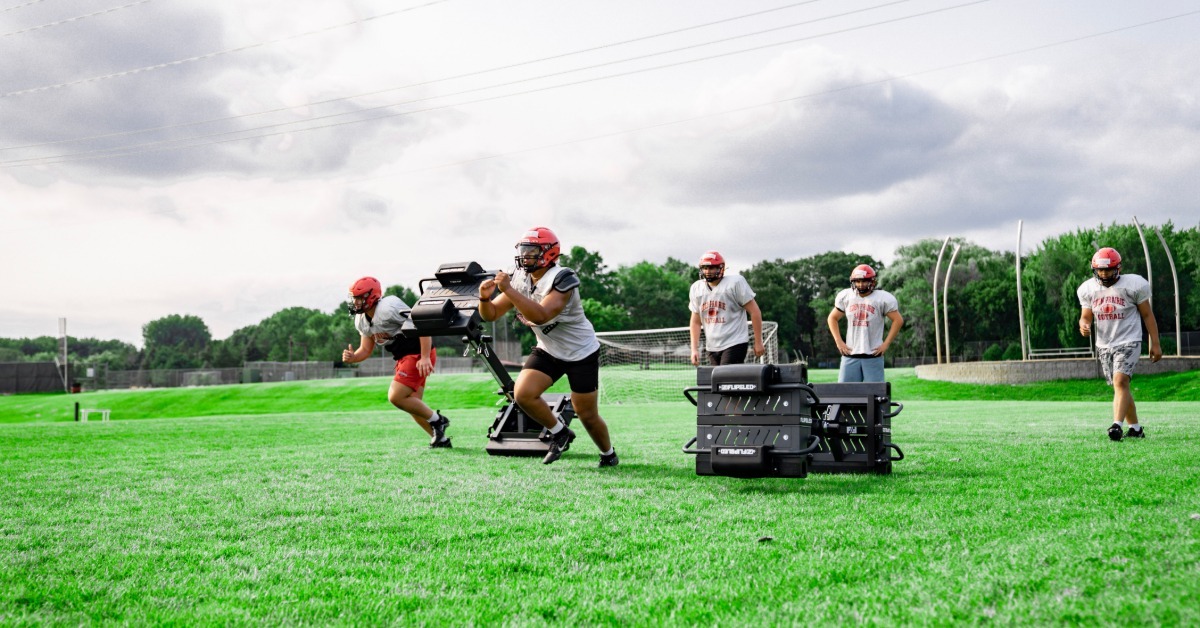
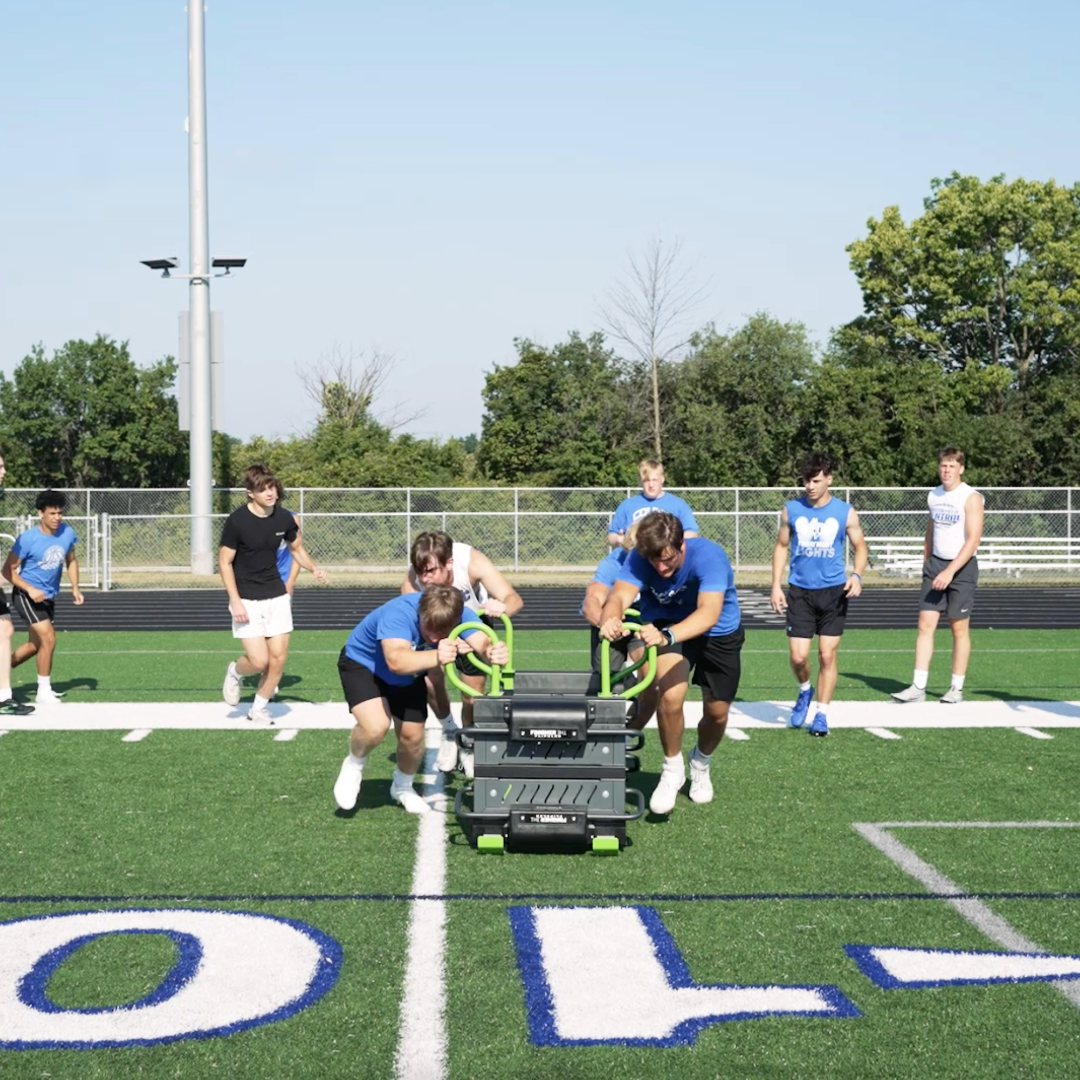
A training sled gives athletes a clear reason to lean, push, and maintain acceleration posture. The resistance slows the movement enough for players to feel how their feet, shins, hips, and trunk should align. It can also extend the amount of time an athlete spends producing force in an acceleration position.
Coaches can use light, moderate, or heavier resistance depending on the purpose of the session. The athlete should still move with intent and maintain control. If posture collapses, steps lose direction, or the athlete simply grinds forward, the resistance no longer supports quality speed development.
Develop Maximum Velocity Mechanics
Once an athlete completes the acceleration phase, the body should become taller. The hips rise, ground contacts become shorter, and the legs cycle with greater speed. The athlete should not force an exaggerated lean or reach forward with the foot.
The foot should contact the ground near the athlete’s center of mass. Reaching too far ahead creates braking forces before the athlete can push into the next step. Coaches can cue players to strike down beneath the hips rather than claw forward for extra distance.
Relax the Upper Body
Athletes can run aggressively without becoming rigid. Clenched fists, raised shoulders, and a tight jaw interfere with rhythm. The arms should move powerfully, but the athlete should relax their shoulders and hands.
The hands can travel from near the cheek toward the back pocket without locking the elbows into one fixed angle. Coaches should correct major issues without turning the sprint into a robotic sequence.
Combine Sprinting, Strength, And Plyometrics
Athletes improve speed by sprinting, but sprinting should sit inside a more complete development program. Lower-body strength helps athletes produce force, while explosive lifting and jumping help them apply that force quickly. Each method supports a different part of the same performance quality.
Squats, split squats, Romanian deadlifts, hip extensions, and calf-focused work can build the foundation. Jumps, bounds, skips, and hops can teach athletes to express force through faster ground contacts.
Use Plyometrics With Clear Direction
Horizontal jumps, bounds, and skips can support acceleration because they teach athletes to project the body forward. Vertical jumps and quick pogo variations can improve stiffness through the ankles and lower legs. Both directions have value when coaches connect the drill to a specific sprint quality.
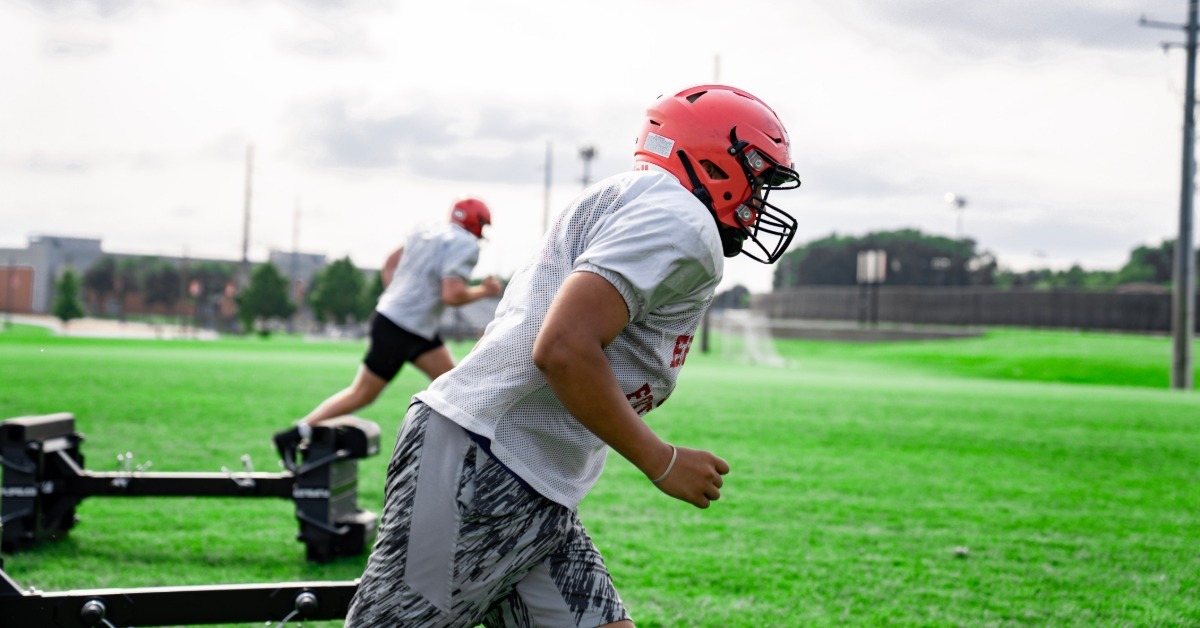
Athletes must land with control and maintain alignment through the feet, knees, and hips. More contacts do not guarantee more progress. A small number of explosive repetitions can deliver greater value than a long series done with declining technique.
Protect Quality With Full Recovery
Speed work should not become conditioning work. Athletes need enough rest to produce strong, technically sound repetitions. When fatigue changes posture, reduces force, or slows the athlete significantly, the session loses its speed development.
Short acceleration reps may require a minute or more of recovery, while longer sprints may need several minutes. The exact rest period depends on distance, intensity, and athlete readiness. The next rep should look like a sprint, not a survival run.
Coach One Detail at a Time
Too many instructions can make athletes slower. Coaches may see problems with posture, arm action, foot strike, and rhythm in the same rep, but correcting everything at once creates confusion. Select the issue that will make the greatest immediate difference.
Use clear language the athlete can connect to movement. After the athlete applies the cue, allow enough repetitions for the new pattern to take shape.
Use Video Without Creating Paralysis
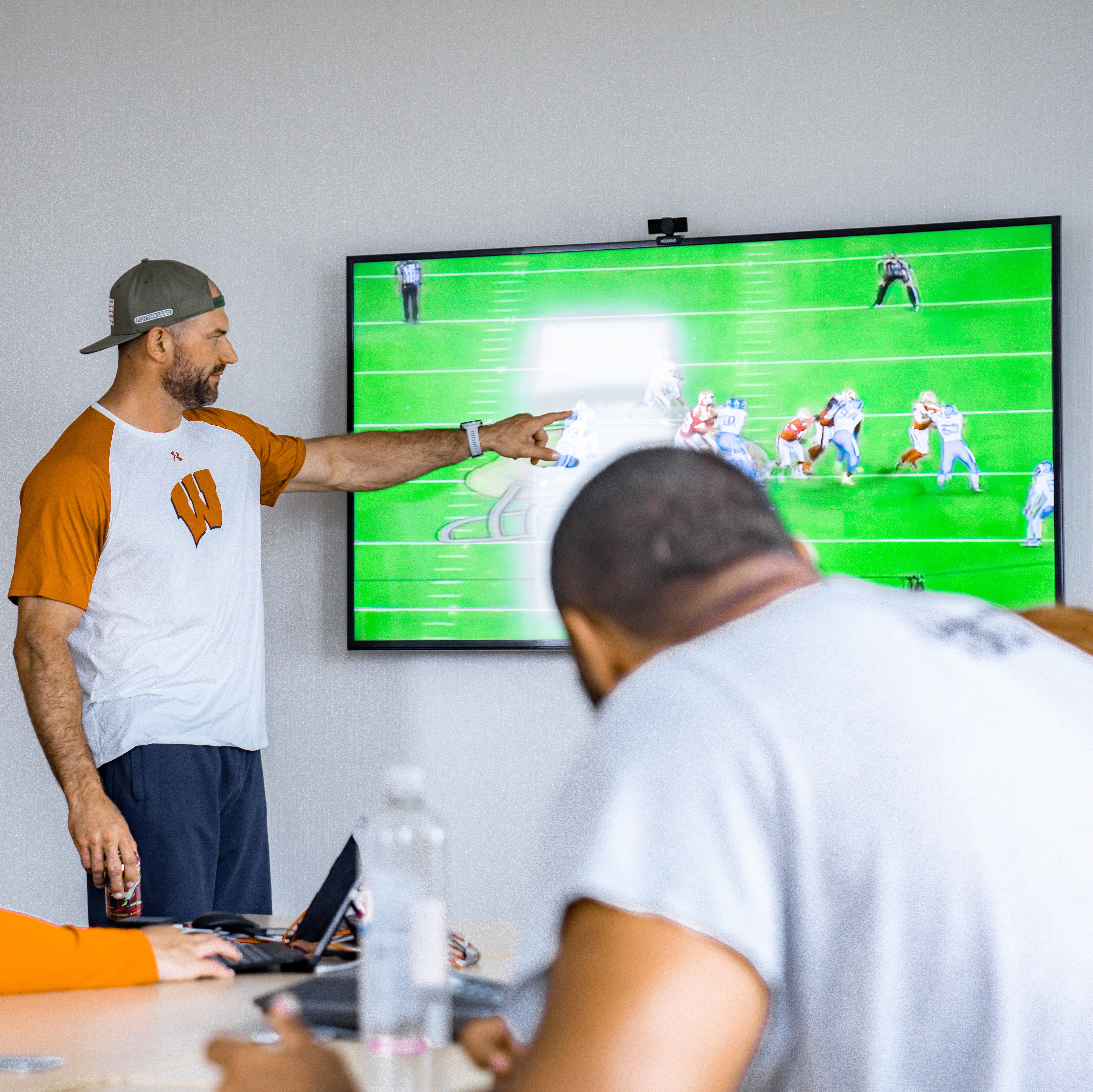
A short side-view video can help athletes see body angles, foot placement, and posture. Coaches should highlight one visible detail, explain why it matters, and connect it to the next repetition. Long technical breakdowns can pull attention away from the feel of sprinting.
Video works best as a simple feedback tool. The athlete should watch, understand, and move again. Speed develops through action, not through extended analysis between every rep.
Build Speed Through Simple, Powerful Work
Lightning-fast athletes combine force, mechanics, rhythm, strength, and repeated exposure to high-speed movement. Coaches must train acceleration and maximum velocity, give athletes enough recovery, and protect technique as intensity rises. The best program makes every drill easy to understand and hard to perform poorly.
Help your athletes build explosive power from the ground up with training that connects strength to movement. Explore FlipSled equipment to bring resisted pushes, pulls, flips, and carries into a simple system built for football performance.
5 Football Motivational Quotes After a Tough Loss
Strength & Speed for Football Special Teams: Why It Matters
.png?width=200&height=24&name=FlipSled%20Logo%20HRZ%20WHITE%20(1).png)